


You’re Not Alone: The Reality of New Mom Stress
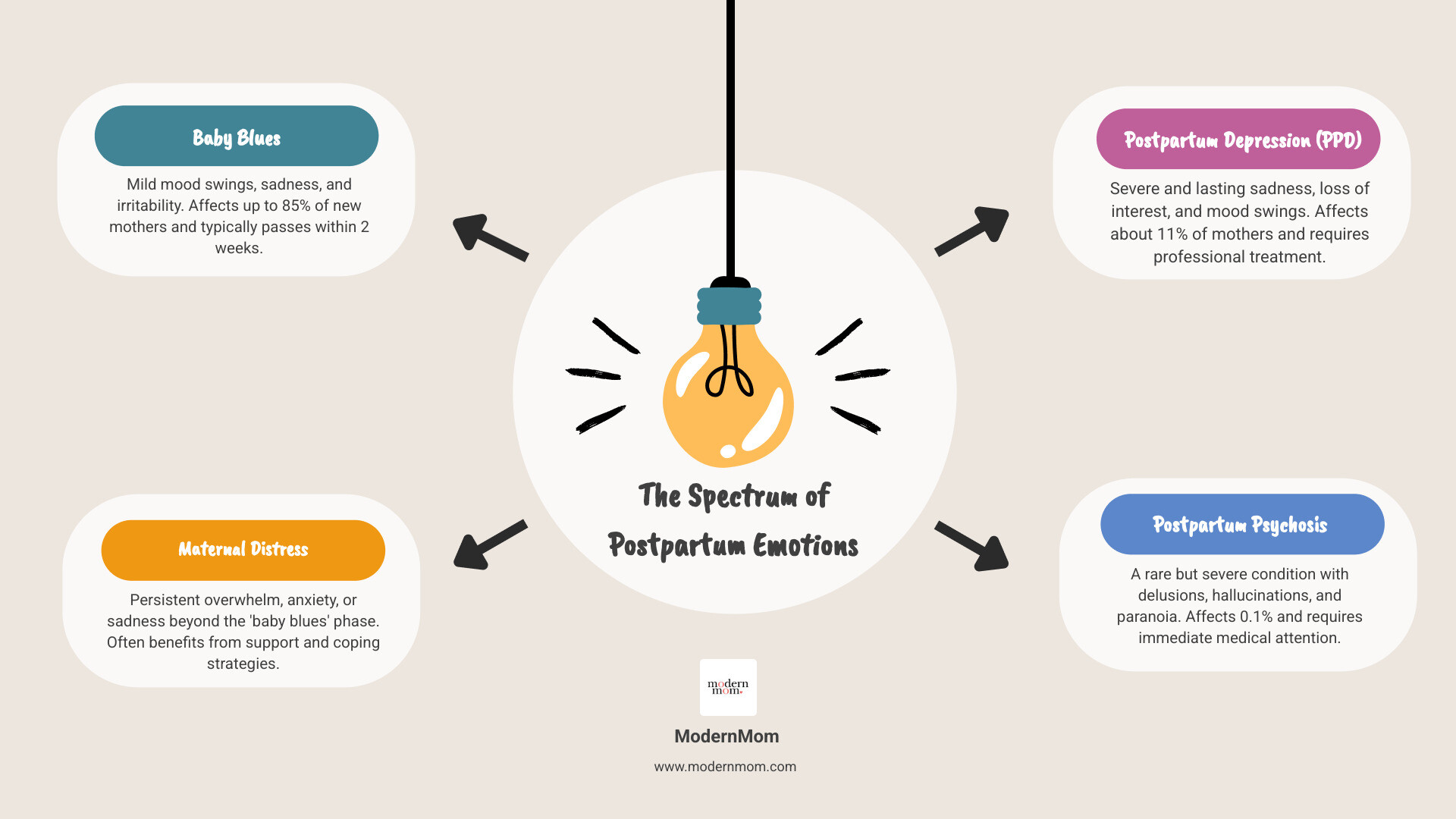
New mom stress is incredibly common. If you’re feeling exhausted, overwhelmed, and wondering if you’re the only one struggling, you’re not. Up to 85% of new mothers experience some form of postpartum mood changes, from the mild “baby blues” to more serious conditions that need support.
If you’re struggling right now, here’s what you need to know:
- Baby blues affect most new moms and usually pass within 2 weeks.
- Postpartum depression (PPD) affects about 11% of mothers and requires treatment.
- Postpartum anxiety is real and often shows up as excessive worry or intrusive thoughts.
- Seeking help early makes a huge difference — this isn’t something you need to “tough out.”
- You are not failing. Modern motherhood comes with unique pressures previous generations didn’t face.
The reality of being a new mom includes physical recovery, hormonal shifts, sleep deprivation, and the constant demands of a tiny human. Add in societal pressures and the loss of the traditional “village,” and it’s no wonder so many moms feel like they’re barely hanging on. The stress has become so significant that it’s now recognized as a public health concern.
This article will help you understand what you’re experiencing, know when to seek professional support, and give you practical strategies to manage the overwhelm. Because here’s the thing: asking for help isn’t weakness. It’s wisdom.
Related content about new mom stress:
Why It Feels So Hard: Understanding the Modern Motherhood Squeeze
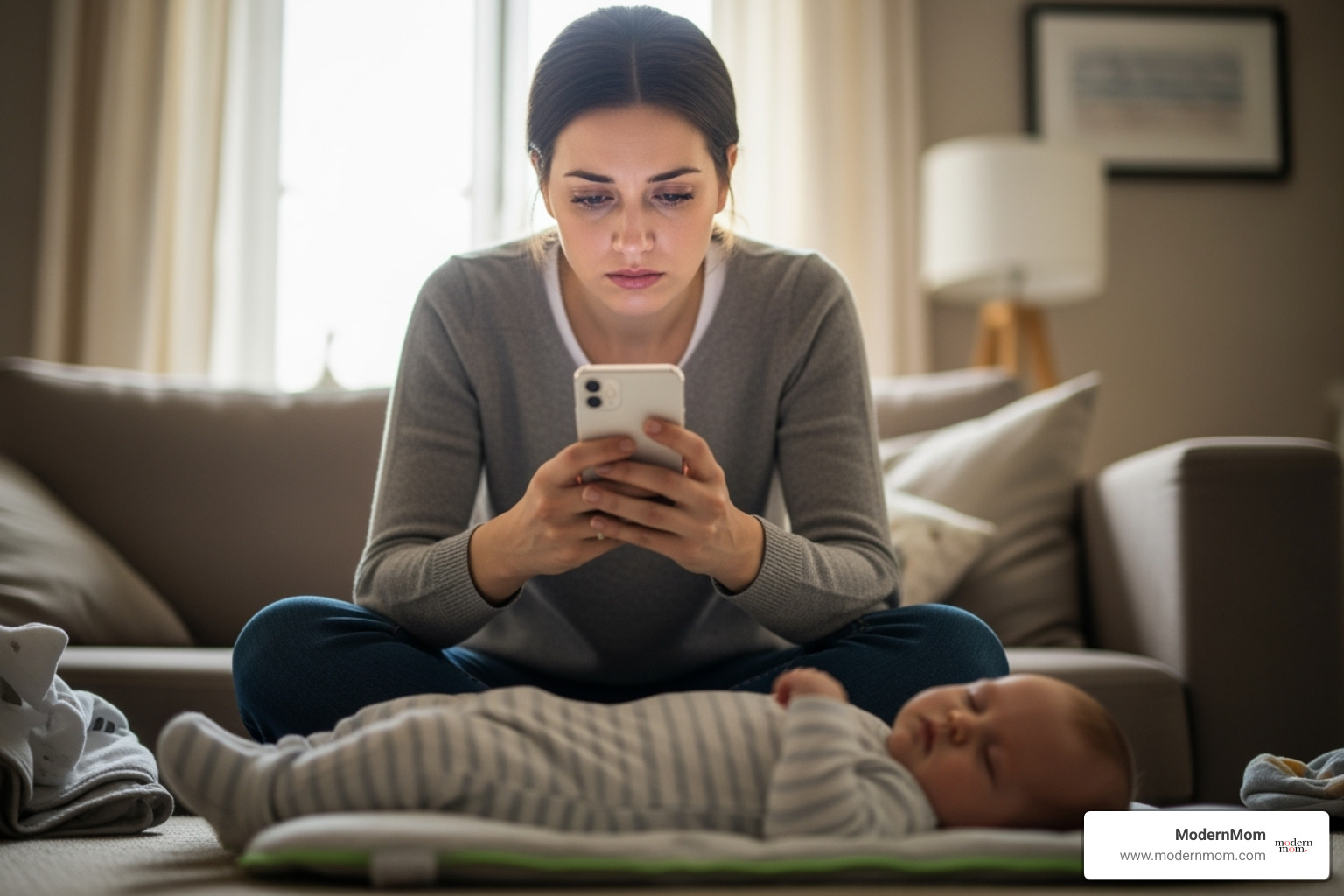
Let’s talk about why motherhood feels so impossibly hard right now. It’s not just you, and it’s not in your head. New mom stress comes from a perfect storm of challenges.
Your body is recovering from childbirth while hormonal shifts create an emotional roller coaster. Add in severe sleep deprivation, and even simple tasks feel monumental. Beyond the physical toll, there’s a profound identity change and, for many, financial strain from childcare costs or lost income.
This isn’t just anecdotal. The U.S. Surgeon General issued a public health advisory about parental mental health, placing it alongside critical national concerns. A 2023 study by the American Psychological Association found that 41% of parents said they were so stressed they “couldn’t function” on most days — double the rate for non-parents.
You’re not weak. You’re facing a documented public health crisis while keeping a tiny human alive.
Why Is Modern Parenting a Source of New Mom Stress?
Modern motherhood is uniquely challenging because we’re expected to do more with less support.
The “supermum” myth tells us we should effortlessly juggle a career, a pristine home, and perfect children, all while looking Instagram-ready. This impossible standard is making us sick.
Speaking of Instagram, social media comparison culture is a major factor. We scroll through feeds of seemingly perfect moms, not seeing the chaos just out of frame. Research shows this directly correlates with higher rates of depression and anxiety in mothers.
Many of us also lack “the village.” Previous generations had extended family and neighbors nearby for support. Today, many moms are raising children far from that network, leading to intense isolation.
Information overload doesn’t help. Every parenting decision comes with fifty conflicting opinions online, making it nearly impossible to trust your own instincts.
Finally, generational parenting shifts mean mothers are parenting more than ever before. Even with more women working full-time, they still shoulder the majority of childcare and household labor, all with less systemic support like affordable childcare and paid leave.
No wonder it feels so hard. It genuinely is.
“Baby Blues” or Something More? How to Tell the Difference
When you’re in those early weeks, it’s hard to know if your emotional ups and downs are normal. Let’s break down the difference between the common baby blues and more serious postpartum mood changes.
The baby blues affect up to 85% of new mothers. They typically show up a few days after delivery, caused by dramatic hormonal shifts. You might feel weepy, anxious, or moody. The key thing about baby blues is that they usually pass on their own within two weeks. If your symptoms last longer or feel more intense, it’s time to pay closer attention.
Some of what you feel is also non-pathological maternal distress — the normal stress and adjustment that comes with becoming a mom. It’s a natural response to this enormous life transition.
| Baby Blues | Postpartum Depression | |
|---|---|---|
| Symptoms | Mild mood swings, crying spells, anxiety, restlessness, emotional sensitivity | Persistent sadness, loss of interest in activities, severe mood swings, difficulty bonding, feelings of worthlessness, thoughts of self-harm |
| Duration | A few days to 2 weeks | More than 2 weeks, can last months or years without treatment |
| Severity | Mild, doesn’t interfere with daily functioning | Moderate to severe, interferes with daily life and baby care |
| When to Seek Help | Usually resolves on its own; seek help if symptoms worsen or last beyond 2 weeks | Seek professional help immediately if symptoms persist beyond 2 weeks or if you have thoughts of harming yourself or your baby |
Recognizing the Signs of Postpartum Depression (PPD)
Postpartum depression is a real medical condition affecting about 11% of mothers. It requires treatment, not just willpower, and can appear anytime in the first year.
Symptoms are more intense and longer-lasting than baby blues. Look for persistent sadness, a loss of interest in things you used to enjoy, severe mood swings, and difficulty bonding with your baby. You might also experience overwhelming fatigue, changes in appetite, feelings of worthlessness or guilt, and trouble concentrating. In severe cases, you might have thoughts of harming yourself or your baby — if this happens, please seek help immediately.
Without treatment, PPD can linger for months or even years. But PPD is highly treatable. If you’ve felt this way for more than two weeks, talk to your doctor. You can also learn more about how depression affects us physically by reading about puffy eyes from depression.
Understanding Postpartum Psychosis: A Medical Emergency
Postpartum psychosis is very rare — affecting only 0.1% of new mothers — but it’s a medical emergency requiring immediate care. It often appears suddenly within the first few weeks after delivery.
Symptoms include confusion, hallucinations (seeing or hearing things that aren’t there), delusions (believing things that aren’t true), and paranoia. If you or someone you know shows these signs, call 911 or go to the emergency room immediately.
Even severe postpartum mood disorders are highly treatable. The long-term effects of untreated mood disorders can be significant, so prompt treatment is crucial. Reaching out for help is always the right choice.
Your Toolkit for Managing New Mom Stress

Let’s get one thing straight: self-care isn’t selfish. When you’re a new mom, it’s a necessity. You can’t pour from an empty cup, and managing new mom stress starts with a practical toolkit.
The foundation is sleep. Getting at least one four-hour block of continuous sleep can make a world of difference. Sleep when the baby sleeps — forget the dishes and laundry. If you have a partner, create a sleep plan where they take a shift so you can get uninterrupted rest.
Nutrition and hydration also matter. Keep healthy, one-handed snacks (like nuts, fruit, or cheese sticks) within reach and drink plenty of water. Movement doesn’t have to be a workout; a 10-minute walk or gentle stretching can boost your mood.
Finally, building a support system is critical. Connect with your partner, family, friends, or other new moms. You need people who get it.
Practical Coping Strategies for New Mom Stress
Here are day-to-day strategies to manage the overwhelm:
- Set realistic expectations. Your house will be messy. Some days, just keeping your baby alive is a huge accomplishment. That is enough.
- Learn to say “no.” Protect your energy by turning down visits or unsolicited advice when you’re feeling drained.
- Accept help. When someone offers, give them a specific task: bring dinner, fold laundry, or hold the baby while you shower.
- Try simple mindfulness. Take five deep breaths while feeding the baby. These tiny moments of calm add up.
- Connect with other new parents. Hearing another mom say “me too” is incredibly validating and reduces the isolation that fuels stress.
- Communicate your feelings. Don’t bottle things up. Talk to your partner, a friend, or your doctor about how you’re feeling.
Find more tips on our Living Healthy section
How Your Partner and Loved Ones Can Help
Partners and loved ones have enormous power to ease new mom stress. Here’s how:
- Communicate and be specific. New moms, tell your partner what you need. Partners, ask how you can help and listen to the answer.
- Share the mental load. Don’t just wait to be asked. Proactively handle diaper changes, baths, feedings, and restocking supplies.
- Provide practical support. Do the laundry, make dinner, or organize a meal train with friends.
- Offer emotional validation. Instead of trying to “fix” it, just listen. Say, “This sounds so hard,” or “You’re doing an amazing job.”
- Encourage rest. Take the baby out for a walk so she can nap. Insist she take time for herself. Her recovery and mental health are not optional.
Finding Your Village: Resources and Support for New Moms

It takes a village to support a mom. Building your support network isn’t a sign of weakness; it’s a sign of wisdom. Motherhood was never meant to be a solo journey.
Here are some key resources to help you manage new mom stress:
- Your Healthcare Provider: Your OB/GYN, midwife, or family doctor should be your first call. They can assess your symptoms and connect you with the right treatment.
- Mental Health Professionals: Therapists specializing in perinatal mood disorders can be lifesavers. Many now offer telehealth appointments.
- Support Groups: Whether online or in-person, these groups provide a space to connect with other moms who truly get it.
- Lactation Consultants: If breastfeeding is a source of stress, a consultant can provide expert, hands-on guidance.
- Postpartum Doulas: A doula offers practical and emotional support in your home, helping with newborn care, light housework, and meal prep.
- Home-Visitation Programs: These programs offer structured support from trained volunteers or professionals, which is especially helpful if you feel isolated.
If you’re in crisis or having thoughts of harming yourself or your baby, immediate help is available. In the U.S., call or text 988. In Canada, call 1-833-456-4566 or text 45645. These feelings mean you need urgent medical care.
Overcoming Barriers to Care
Getting help isn’t always easy. Many moms face real barriers.
Financial challenges and navigating insurance can make it hard to afford therapy or other support. Don’t give up — your provider’s office can often help you find in-network or low-cost options.
The stigma around mental health also keeps many women silent. We feel pressure to be happy, but postpartum mood disorders are medical conditions, not character flaws. Acknowledging you’re struggling doesn’t make you a failure; it makes you human.
Finally, finding culturally competent care is crucial. You deserve a provider who understands and respects your background and values. If the first one isn’t a good fit, keep looking.
Frequently Asked Questions about New Mom Stress
We know you have questions about new mom stress. Here are some clear, honest answers.
How long do the “baby blues” typically last?
The “baby blues” are very common and usually show up within a few days of giving birth. You might feel weepy, anxious, or overwhelmed. The good news is they typically fade on their own within two weeks.
If your symptoms last longer than two weeks, get worse, or make it hard to function, it’s time to call your doctor. It could be a sign of postpartum depression, which needs treatment.
What’s the first step I should take if I think I have postpartum depression?
Reach out to your healthcare provider — your OB/GYN, midwife, or family doctor. Be honest about what you’re experiencing. They can assess your symptoms and connect you with the right support, like therapy or medication.
Postpartum depression is a treatable medical condition. Getting help early makes a huge difference for you and your baby. Don’t wait for it to pass on its own.
How can I manage stress when I’m too exhausted to do anything?
When you’re running on empty, even small things feel huge. Focus on the absolute basics.
- Prioritize sleep. Sleep when the baby sleeps. Forget the laundry and the dishes. Just rest.
- Let things be messy. Your only job is to care for yourself and your baby. A perfect house can wait.
- Accept specific help. When someone offers, tell them exactly what you need: “Can you bring dinner?” or “Can you hold the baby while I shower?”
Even five minutes of fresh air or a glass of water can help. These aren’t luxuries; they’re survival tools.
Conclusion
If you take away just one thing from this article, let it be this: you are not alone in experiencing new mom stress. Not even close.
Motherhood is a profound journey of incredible joy and crushing challenges. Modern motherhood comes with unique pressures — from social media comparison to the loss of the “village” — that make it feel isolating. It’s no wonder so many of us feel like we’re drowning.
But please remember: asking for help isn’t weakness. It’s wisdom. Every small step you take for your well-being matters. Accepting help, joining a moms group, or calling your doctor when things feel too heavy are all acts of strength.
You don’t need to be perfect. You just need to be present and kind to yourself as you steer this massive life change.
You are doing an amazing job, mama. Especially on the days when it doesn’t feel like it.
We’re here to support you. Explore more resources for navigating motherhood in our Living Healthy section, and remember that the ModernMom community is in your corner.
The post You Got This, Mama: Managing Stress as a New Mom appeared first on ModernMom.