


Why Your Skin Rebels in the Winter (And How to Stop It)
Healthy winter skin doesn’t have to be a pipe dream. If you’re dealing with itchy, flaky, tight skin right now, you’re not alone—and there’s a fix.
Quick wins for healthy winter skin:
- Moisturize immediately after showering while skin is still damp
- Use lukewarm water (not hot) for shorter showers (5-10 minutes)
- Switch to creams or ointments instead of thin lotions
- Run a humidifier to keep indoor humidity between 30-50%
- Apply sunscreen daily even on cloudy winter days
Here’s the thing: winter air is brutal on your skin. Cold weather lowers outdoor humidity, causing your skin to lose water fast. Then you come inside, crank up the heat, and that dry indoor air sucks even more moisture out. Your skin also produces fewer natural oils in cold weather, weakening its protective barrier. The result? That tight, uncomfortable feeling—what dermatologists call “winter itch” or winter xerosis.
The good news? You don’t need an expensive spa routine or a complete skincare overhaul. For busy women juggling it all, achieving healthy winter skin comes down to practical, doable changes that fit into an already-packed schedule. Here’s what actually works.
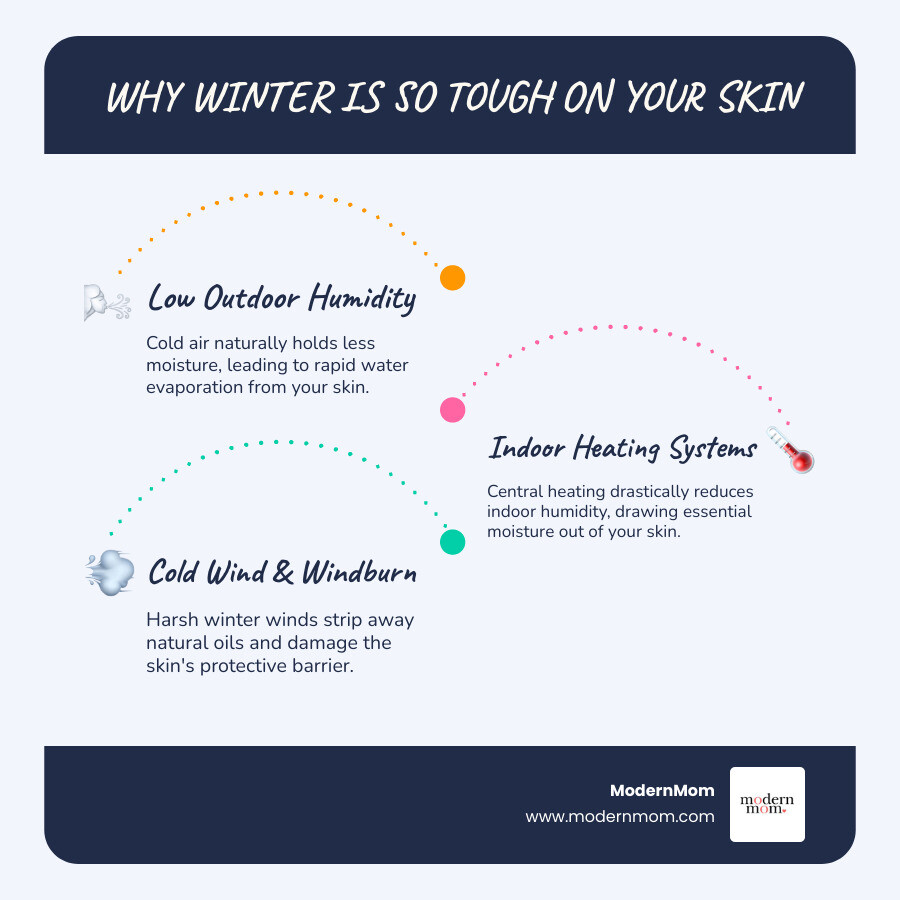
Why Winter Is So Tough on Your Skin
Winter often brings with it a host of skin woes, turning our usually smooth, supple skin into a dry, flaky landscape. This isn’t just an aesthetic issue; our skin is our body’s first line of defense, and when it’s compromised, it can’t perform its protective duties as well. As one dermatologist explains, “You want your skin to be as healthy as possible to help maintain your overall health.”
The main culprits behind this seasonal skin struggle are environmental. Cold weather, with its low humidity, wreaks havoc on our skin. Then, we add indoor heating to the mix, which further depletes the skin of moisture. This constant battle against moisture loss is a hallmark of winter.
The Double-Whammy of Cold Air and Indoor Heat
Imagine stepping out into a crisp winter morning. The air is cold and dry, immediately starting to pull moisture from your skin. Then you come back inside to a cozy, heated home. While it feels wonderful, that warmth often comes from heating systems that zap even more humidity from the air.
This constant cycle between cold, dry outdoor air and warm, dry indoor air is a significant reason our skin suffers so much during the winter. The water content of our epidermis (the outermost layer of skin) tends to reflect the humidity level around it. When humidity plummets, our skin struggles to hold onto its natural moisture, leading to that uncomfortable tight, itchy feeling often called ‘winter itch.’
How Winter Weakens Your Skin’s Natural Shield
Our skin has an incredible natural barrier—the stratum corneum. This top layer contains essential substances like cholesterol and fatty acids that work together to seal in moisture. In winter, this delicate barrier is often compromised because colder weather causes our skin to produce fewer of these crucial natural oils.
When the skin’s natural barrier is weakened, it can’t retain water as effectively and becomes more susceptible to external aggressors. This can lead to increased sensitivity, redness, and a higher risk of irritation.
The result is skin that not only feels dry but is also more vulnerable to issues like eczema and psoriasis, which can flare up in winter. As one dermatologist puts it, “‘Tis the season for itchy, flaky, and irritated skin.” But this year, you can fight back and keep your skin strong and resilient.
Your Daily Defense Plan for Healthy Winter Skin

Maintaining healthy winter skin requires a consistent, proactive approach, much like managing a busy household. It’s about establishing daily habits that become second nature.
Rethink Your Shower Routine
That long, hot shower after a cold day feels amazing, doesn’t it? Unfortunately, it’s one of the biggest culprits behind dry winter skin. Overly long, hot baths or showers strip your skin of its natural oils, causing it to lose moisture more quickly.
The heat from the water, combined with scrubbing too hard or staying in too long, is a recipe for stripping away those protective oils your skin desperately needs.
Instead, try “bathing smart,” as some dermatologists suggest. Limit showers to one 5- to 10-minute session daily, using lukewarm—not hot—water. For some, even bathing every other day can make a huge difference in the winter.
When you do cleanse, be gentle. Minimize your use of harsh soaps and opt for moisturizing, soap-free cleansers. Steer clear of deodorant soaps, perfumed soaps, and alcohol-based products, which can strip away natural oils. Finally, pat or blot (don’t rub!) your skin when toweling dry. This simple switch helps preserve your skin’s precious moisture barrier.
The Golden Rule: Moisturize, Moisturize, Moisturize
This is perhaps the most crucial step for healthy winter skin. Moisturizers work by trapping moisture in your skin, so the best time to apply them is when your skin is still damp, like right after a shower or washing your hands. This helps lock in hydration before it evaporates.
For winter, it’s time to swap those lighter lotions for thicker creams and ointments. According to dermatologists, creams and ointments are more effective because they contain more oil to protect dry, itchy skin, whereas lotions are mostly water.
Look for products with ingredients like shea butter, cocoa butter, or hyaluronic acid. For very dry areas like hands and feet, try this overnight trick: apply a thick layer of petroleum jelly or a rich cream, then cover with cotton gloves or socks to seal in the moisture.
And remember to moisturize your hands throughout the day! While we focus on body care, don’t forget your facial skin has unique needs. For a luxurious facial treatment, consider incorporating a Jasmine Oil Serum into your routine, but ensure it’s suitable for your skin type and won’t clog pores.
Don’t Forget Sunscreen (Yes, Even Now!)
It’s easy to pack away the sunscreen with our summer clothes, but sun protection is important all year long. Even in winter, the sun’s ultraviolet (UV) rays can cause significant damage. In fact, up to 80% of the sun’s UV light can penetrate clouds, meaning you can get a sunburn even on a gray winter day. If you’re out in the snow, the reflection can intensify exposure, making sun protection even more critical.
Make it a habit to wear a broad-spectrum sunscreen with an SPF of 30 or greater every day on any exposed skin, like your face, neck, and hands. Opt for moisturizing sunscreen creams instead of lotions or sprays for an extra hydration boost.
Combine sunscreen with other protective measures like wearing a hat when you’re outdoors. Protecting your skin from the sun is a year-round commitment to long-term skin health.
Beyond the Basics: Advanced Winter Skincare Swaps
To truly achieve healthy winter skin, we often need to go beyond the basics and make some targeted adjustments to our routine, from the products we use to the environment we live in and even the food we eat.
Choosing the Right Ingredients for Healthy Winter Skin
When your skin is already vulnerable in winter, the ingredients in your skincare products matter more than ever. We want to choose products that support our skin’s natural barrier and lock in moisture. Look for products that contain a blend of humectants, emollients, and occlusives.
- Humectants attract moisture from the air and deeper layers of the skin. Key humectants include ceramides, glycerin, sorbitol, and hyaluronic acid. Hyaluronic acid, in particular, can absorb 1,000 times its weight in water, making it a powerful hydrator.
- Occlusives create a physical barrier on the skin’s surface to prevent moisture loss. Ingredients like petrolatum (petroleum jelly), silicone, lanolin, and mineral oil are excellent occlusives.
- Emollients smooth the skin by filling in the spaces between skin cells, making the skin feel soft and supple. Shea butter, cocoa butter, linoleic, linolenic, and lauric acids are great emollients.
Conversely, there are ingredients we should be cautious about. Products with added fragrance can lead to micro-irritations that accumulate over time, potentially causing dry, itchy, and cracked skin. Similarly, alcohol-based products can strip the skin of its natural oils. Opt for fragrance-free and alcohol-free options. Gentle or hypoallergenic products minimize the chance of skin irritation, helping to maintain the healthy skin barrier needed to retain water. When removing makeup, especially in winter, ensure you’re using a gentle product that won’t strip your skin. A Vegan-Friendly Makeup Remover can be a great choice for sensitive winter skin.
The Truth About Exfoliating in Winter
Exfoliating is super potent and can be beneficial for removing old, dry skin cells, revealing a fresh, glowing complexion. However, in winter, a gentle approach is key. Exfoliating too frequently can take away the natural oils your skin needs, especially during the colder months, making it feel itchier and drier.
Most experts recommend exfoliating once or twice a week max. Instead of harsh, abrasive cleansers or vigorous scrubbing with washcloths and loofahs, opt for a more delicate and fine exfoliator. You can also try dry brushing, an inexpensive and manageable self-care practice that can make a difference. If you have severely dry or compromised skin, consider gentler options like a wet washcloth. Be careful with ingredients like glycolic acid and salicylic acid, which are exfoliants, and retinoids/retinols, as they can be too drying for daily use in winter. If you typically use these, consider reducing their frequency or concentration during the colder months.
Nourish Your Skin from the Inside Out
While external hydration is paramount, what we put into our bodies also plays a significant role in achieving healthy winter skin. Diet can help support skin health from the inside out.
- Hydration from within: While drinking water isn’t a magic cure for dry skin, staying well-hydrated is crucial for overall health, and your skin benefits too. When you’re dehydrated, your body conserves water by pulling it away from less critical areas, like your skin. Aim to drink at least half your body weight in ounces of water each day. Water improves circulation, which helps prevent dryness and flaking. Hillary Kline, a beauty expert, notes that “dry skin maybe caused by a lack of hydration, so even if you think that the ‘eight glasses a day’ rule is just fine, you’re still probably not getting enough water.”
- Omega-3 Fatty Acids: Foods rich in omega-3 fatty acids, like salmon, walnuts, flaxseeds, and grass-fed beef, can help maintain the skin’s lipid barrier, reducing dryness and inflammation. Dr. Shirley Madhere suggests that omega-3 fatty acids, along with selenium and zinc, support the healthy production of collagen and elastin.
- Antioxidants: Berries, spinach, sweet potatoes, and bell peppers are packed with antioxidants that protect skin cells from environmental damage and promote overall skin health.
- Vitamin D: Less sunlight in winter can lower your body’s production of vitamin D, which boosts skin health. Milk is a good source of vitamin D, and supplements can ensure you get enough.
- Hyaluronic Acid Foods: Amanda Frick, lead naturopathic doctor for Harvey Health, tells us that foods high in hyaluronic acid, such as bone broth, soy, root vegetables, and dark leafy greens, are excellent for healthy winter skin.
Making these dietary choices can have a positive impact on your skin health and complement your external skincare routine, helping your skin stay healthy and radiant throughout the winter.
Soothing Solutions for Common Winter Woes
Even with the best preventative measures, winter can still throw some curveballs at our skin. Here’s how to tackle those persistent problems.
Healing Chapped Lips and Dry Hands
Our lips and hands are often the first to show the harsh effects of winter. They are constantly exposed to the elements and frequent washing.
- Chapped Lips: When your lips start to crack, they can feel incredibly painful. The simplest and most effective remedy is petroleum jelly (like Vaseline). Apply a thick layer to your lips at night, and don’t forget the corners. Avoid licking your lips, as this only worsens dryness. Keep a solid lip balm with SPF on hand to protect against harsh winds and cold temps.
- Dry Hands: Our hands take a beating in winter, often feeling like sandpaper. Moisturize your hands as much as you can, especially after washing. For severely dry hands, try an overnight treatment: apply a generous amount of petroleum jelly, then cover with cotton gloves or socks. This helps seal in moisture and allows the product to penetrate deeply. Remember to wear gloves when outdoors or doing wet tasks like washing dishes.
When to Call a Dermatologist
While many winter skin issues can be managed at home, there are times when you need to call in a professional. Severely dry, cracking skin can sometimes lead to eczema or even infections if bacteria enter the broken skin. Untreated dry skin can also develop into more serious conditions, so it’s important to know when to seek help.
It’s time to consult a dermatologist, like April Schachtel, MD, if your skin isn’t getting better or you experience any of the following:
- Persistent itching or redness that doesn’t improve with regular moisturizing.
- Painful cracks or fissures in the skin.
- Signs of infection, such as swelling, warmth, pus, or red streaks.
- Severe eczema or psoriasis flare-ups that are not responding to over-the-counter treatments.
- Dry skin that interferes with your sleep or daily activities.
- Any new or concerning skin growths.
Don’t hesitate to seek expert advice when needed; your skin’s health is an important part of your overall well-being.
Frequently Asked Questions about Healthy Winter Skin
We know you have questions, especially when it comes to navigating the unique challenges winter poses for our skin. Here are some of the most common ones we hear from fellow moms.
How often should I really be showering in the winter?
This is a great question, and the answer might surprise you. While a long, hot shower can be tempting on a cold day, it’s actually quite drying for your skin. Experts recommend limiting showers to once a day for no more than 5-10 minutes, using lukewarm water instead of hot. If you’re not particularly sweaty or dirty, showering every other day is perfectly fine. The key is to be gentle and focus on cleansing areas that truly need it (like underarms and groin) rather than soaping your entire body every time, which can strip away essential oils.
Can drinking more water alone cure my dry skin?
Drinking enough water is incredibly important for your overall health, and it certainly plays a role in keeping your skin hydrated. When you’re dehydrated, your body conserves water by pulling it away from less critical areas, like your skin. However, for combating dry winter skin caused by environmental factors (low humidity, cold air, indoor heating), external hydration with diligent skincare and moisturizing regularly is often much more effective than just drinking water alone. Think of it as a team effort: hydrate from the inside for general well-being, but focus on topical moisturizers to create and maintain your skin’s protective barrier against the harsh winter elements.
What’s the best way to deal with “winter itch”?
“Winter itch,” or pruritus hiemalis, is that uncomfortable, persistent itching that often accompanies dry winter skin. The best defense is a multi-pronged approach:
- Moisturize immediately after bathing while your skin is still damp. This helps to lock in moisture effectively.
- Run a humidifier in your home, especially in your bedroom, to add moisture back into the dry indoor air. Aim to keep your in-home humidity level between 30% and 50%.
- Wear soft, breathable fabrics like cotton next to your skin. Avoid wool and other irritating garments that can exacerbate itchiness.
- Avoid scratching, as this can further irritate the skin and potentially lead to infection. If the itch is severe, a cold pack or compress can sometimes provide temporary relief.
By combining these strategies, you can significantly reduce the discomfort of winter itch and help your skin feel much happier.
Conclusion
Navigating the winter months with healthy winter skin might seem like a daunting task, but it doesn’t have to be. As we’ve explored, understanding why our skin rebels in the cold and dry environment is the first step. From the double-whammy of cold air and indoor heating to the weakening of our skin’s natural shield, the challenges are real.
The good news is that small, consistent changes to our daily routines can make a monumental difference. Rethinking your shower habits, making moisturization your golden rule, and remembering year-round sun protection are foundational. Going beyond the basics by choosing skincare ingredients wisely, exfoliating gently, and nourishing your body from the inside out further bolsters your skin’s resilience. And for those persistent woes like chapped lips or when concerns warrant professional advice, targeted solutions and knowing when to call a dermatologist are key.
You’ve got this, ModernMom! By embracing these practical tips, you can transform your winter skincare routine from a chore into a self-care ritual. Say goodbye to dry, itchy skin and hello to a glowing, comfortable complexion that thrives all season long. For more great tips on feeling your best, explore our Lifestyle section.
The post Chill Out: How to Keep Your Skin Thriving All Winter Long appeared first on ModernMom.