


Why College Application Tips Matter More Than Ever
College application tips are essential for helping your teen stand out in an increasingly competitive admissions landscape. Here’s what you need to know:
Quick College Application Tips:
- Start early — Begin researching schools and organizing materials in junior year
- Focus on fit — Choose schools that align with your teen’s goals, not just rankings
- Be authentic — Essays should reflect your teen’s genuine voice and experiences
- Stay organized — Use spreadsheets and calendars to track deadlines
- Understand deadlines — Know the difference between Early Decision, Early Action, and Regular Decision
- Prioritize academics — Strong grades in rigorous courses matter most
- Quality over quantity — Deep involvement in a few activities beats a long list
- Proofread everything — Typos and errors can hurt an otherwise strong application
The college application season can feel like a whirlwind of deadlines, essays, and big decisions for your teen—and for you. It’s a journey filled with excitement and a little bit of stress. But don’t worry, you’ve got this. We’re here to share some smart, practical tips that go beyond the basics to help your child’s application truly shine, making the entire process smoother for everyone.
Laying the Groundwork: Research and Organization
The secret to a less stressful application season? Start early and stay organized. It’s that simple and that important. Helping your teen find schools that are a genuine “fit” is far more valuable than just chasing big-name universities. This phase is all about findy and creating a solid plan that works for your family.
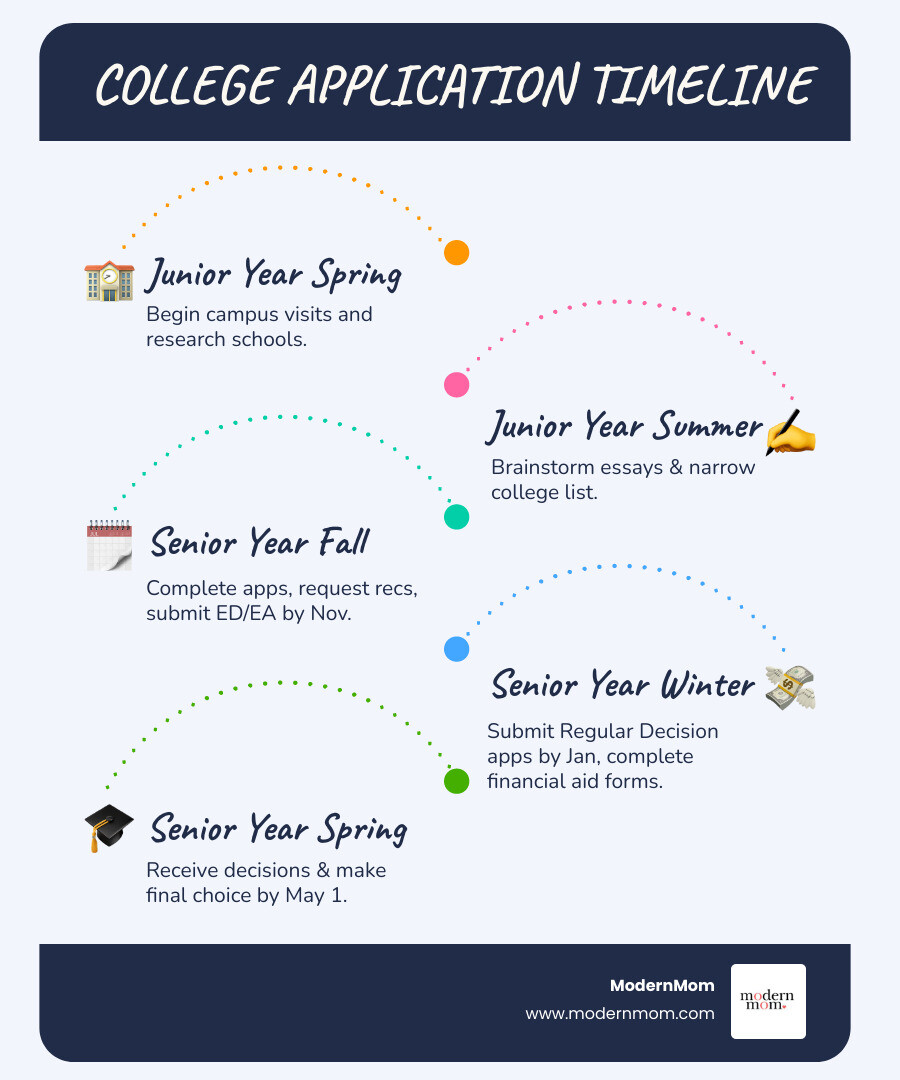
Here’s something to keep in mind: 94% of American high school students are likely to pursue higher education, making the application process more competitive than ever. Starting early, ideally during junior year, gives your teen a real advantage. This isn’t about piling on stress; it’s about making thoughtful, informed choices when there’s still time to explore.
Finding the right fit means looking beyond the glossy brochures and impressive rankings. Encourage your teen to dig into what truly matters: Do the academic programs align with their interests? What’s the campus culture like? Is the location somewhere they can picture themselves thriving? Does the school’s teaching philosophy resonate with how they learn best? These questions matter more than any list in a magazine. The Princeton Review offers a helpful tool to Explore Colleges For You that can identify schools based on your teen’s unique interests and goals.
Once a list of potential schools starts taking shape, organization becomes your best friend. We recommend creating a digital calendar or spreadsheet. Think of it as your family’s college application command center. Mark down application deadlines, financial aid form due dates, and reminders for when to request letters of recommendation. A simple tracker can save you from last-minute panic and ensure nothing falls through the cracks.
Here’s a small but mighty tip: help your teen set up a dedicated, professional-sounding email address just for college communications. Something like firstname.lastname@email.com works perfectly. This keeps all those important updates, interview invitations, and acceptance letters in one place, instead of buried under social media notifications and group chat messages.
Managing stress is just as important as managing deadlines during this period. We encourage building what experts call a “focused college application support team”—think school counselors, teachers who know your teen well, and trusted mentors. This village approach takes pressure off both you and your child.
This process is also an opportunity for your teen to develop resilience and self-awareness. They’re learning to advocate for themselves, meet important deadlines, and make big decisions. That’s huge. And it’s okay—actually, it’s essential—to take breaks and prioritize well-being alongside the work. A burnt-out student doesn’t write great essays or make thoughtful choices. For more on preparing for the academic year ahead and keeping stress in check, check out our Tips to Help Transition Back Into School.

Decoding the Application: What Colleges Really Want
Admissions officers use a “holistic review” to see the whole person behind the application, not just the numbers. While grades are crucial, they’re looking for passion, character, and potential. Understanding what they value can help your teen highlight their unique strengths.
So, what are colleges really looking for? According to the National Association for College Admissions Counseling (NACAC)’s The State of College Admissions report, academic performance in high school has been the most important consideration for decades. The data is clear: grades in all high school courses are rated “considerably important” by 75% of colleges, while grades in college prep courses rank just as high at 73%. The strength of curriculum matters too, with over 60% of colleges considering it considerably important.
What does this mean for your family? It means encouraging your teen to take challenging courses and strive for strong grades in them is still the foundation of a solid application. It’s about demonstrating a growth mindset and a genuine love for learning. For more on the importance of academic success, read our article Why It Is Important to Do Well in School.

Now, let’s talk about standardized test scores. The SAT and ACT still play a role, but their importance has shifted in recent years. Many schools have adopted test-optional policies, while some are test-blind or test-free, meaning they won’t consider scores at all. For test-required schools like MIT, Georgetown, and Purdue, submitting scores is necessary. For test-optional schools, your teen should consider submitting scores only if they fall within the typical range for admitted students. You can often find this information in the school’s Common Data Set (CDS).
Extracurricular activities are another critical piece of the puzzle, and here’s where these college application tips really matter. Colleges aren’t looking for a laundry list of activities. They’re seeking quality over quantity. They want to see genuine engagement, leadership, and positive impact. This can be anything from excelling in a sport or club to holding a part-time job or caring for younger siblings. The key is to show commitment and how these experiences have shaped your teen’s character and interests.
Finally, demonstrated interest matters for many institutions. This means how engaged your teen is with a particular college during the application process. Campus visits, attending online info sessions, or engaging with admissions officers all show that your teen is serious about potentially attending. It’s a small detail that can make a difference, especially at schools where interest is tracked and valued.
The “You” Factor: Crafting a Compelling Narrative
This is where your teen’s personality comes to life. The essays, recommendation letters, and activities list work together to tell a story that grades and test scores can’t. It’s their chance to connect with admissions officers on a personal level.
Think of this part of the application as the “heart” of the process. While transcripts and test scores show what your teen has accomplished academically, these personal elements reveal who they are. And that matters more than you might think.
Admissions officers read thousands of applications each cycle. What makes them pause and take notice? It’s the authentic voice that comes through in an essay, the teacher who writes about a student’s genuine curiosity, or the activities list that shows real commitment instead of just resume padding.
The goal here isn’t to craft a perfect persona or tell colleges what you think they want to hear. It’s about helping your teen present their truest self—the person they’ve become through their experiences, challenges, and growth.
Essential College Application Tips for a Standout Essay
The essay is your teen’s single best opportunity to share their voice. It should be personal, authentic, and well-written. Encourage them to write about something that truly matters to them, not what they think an admissions officer wants to hear.
Here’s the truth: admissions officers can spot a manufactured essay from a mile away. They’re not looking for a list of achievements (that’s what the rest of the application is for) or a perfectly polished piece that sounds like it came from a professional writer. They want to hear your teen’s actual voice and understand what makes them tick.
The Common App essay prompts are published well in advance, giving plenty of time for brainstorming. These college application tips for essays can make all the difference:
Be authentic. This is the most important piece of advice we can give. Your teen shouldn’t try to be someone they’re not or write about what they think will impress. Whether they write about their love of baking, a challenging family situation, or a seemingly small moment that changed their perspective, the key is that it matters to them.
Show, don’t just tell. Instead of writing “I learned the importance of perseverance,” encourage your teen to describe the moment they picked themselves up after failing and tried again. Use vivid descriptions and personal anecdotes that bring the story to life. Details matter—they’re what make an essay memorable.
Focus on self-reflection. Even if the essay is about an external event, a person who influenced them, or a challenge they faced, the focus should always circle back to your teen’s growth and insights. What did they learn? How did they change? What do they understand now that they didn’t before?
Proofread carefully. Typos and grammatical errors can undermine an otherwise strong essay. Have multiple people review it—a teacher, a trusted friend, or you (as a supportive editor, not a writer). Fresh eyes catch things the writer misses.
Starting early is crucial. The best essays go through multiple drafts and revisions. Sometimes the first draft is just about getting ideas on paper, and the real magic happens in revision. A brief conversation with a friend or mentor can also spark an idea that becomes the foundation of a compelling essay.
Securing Strong Letters of Recommendation
A great recommendation comes from a teacher who genuinely knows your child’s character and work ethic. It’s not just about the grade they got in the class, but the curiosity and effort they showed.
These letters provide an outside perspective that carries real weight. They confirm what your teen says about themselves and often reveal qualities that don’t show up anywhere else in the application.
Choosing the right recommenders is the first step. The best choice isn’t always the teacher who gave your teen an A. It’s the teacher who watched them struggle with a concept and persist until they mastered it, or who saw them contribute meaningfully to class discussions, or who witnessed their growth over time. That teacher can write a letter full of specific examples that bring your teen to life on paper.
Asking early and in person shows respect for the teacher’s time and gives them plenty of space to write something thoughtful. Ideally, your teen should ask in the spring of junior year. A face-to-face conversation (or video call) is always better than an email—it’s more personal and gives your teen a chance to explain why they’re asking that particular teacher.
Providing a “brag sheet” or resume helps teachers remember all the things your teen has accomplished. This document should include academic achievements, extracurricular activities, volunteer work, interests, and even challenges they’ve overcome. It ensures the letter is specific and comprehensive rather than generic.
Sending a thank-you note after the letter is submitted is just good manners. A handwritten note or thoughtful email expressing genuine gratitude goes a long way. Teachers are doing this on top of their regular workload.
Beyond recommendations, there’s one more element of your teen’s personal narrative that colleges may consider: their social media presence. In our increasingly digital world, some admissions officers do look at applicants’ online profiles. Harvard, for example, has withdrawn admission offers due to problematic social media posts.
Encourage your teen to apply the “PURE test” before posting anything: Is it Positive, Unbiased, Respectful, and Ethical? Now is a good time to scroll through old posts and remove anything offensive or inappropriate. On the flip side, social media can be a positive tool. Platforms like LinkedIn can highlight achievements and professional interests, or your teen could create an online portfolio showcasing creative work or projects.
The activities list on the application is another chance to tell your teen’s story. Quality matters far more than quantity here. Colleges would rather see deep involvement in a few activities than superficial participation in dozens. Whether it’s a leadership role in a club, a part-time job, caring for younger siblings, or pursuing a passion project independently, what matters is the commitment and impact.

Strategy and Deadlines: Your Guide to Applying
Navigating the different application types and deadlines is a key part of the strategy. A common mistake is rushing at the last minute, which leads to avoidable errors. A clear plan helps ensure everything is submitted correctly and on time.
Understanding when and how to apply is just as important as what you include in the application itself. The timing of your teen’s application can actually impact their chances of admission at some schools, so let’s break down what you need to know.
There are four main types of application deadlines, and each comes with its own strategic considerations. Early Decision (ED) is binding—if your teen is accepted, they must attend that school. This option often comes with higher acceptance rates and shows serious commitment, but it means you can’t compare financial aid packages from other schools. Your teen needs to be absolutely certain this is their top choice before applying ED.
Early Action (EA) gives you the best of both worlds: early notification (usually by December) and the freedom to compare offers from other schools. It still demonstrates strong interest and may come with better acceptance rates, but it’s non-binding. Your teen will still need to manage other applications, but they’ll have the peace of mind of an early decision in hand.
Regular Decision (RD) is the most common route and gives your teen more time to polish their application and weigh all their options. The trade-off? Acceptance rates are generally lower, and you’ll wait longer for decisions—typically until March or April.
Rolling Admission (RA) means colleges review applications as they come in and make decisions on an ongoing basis. This can lead to quicker responses, but here’s the catch: admissions slots fill up as the year goes on, so applying earlier is usually better.
| Application Type | Commitment Level | Pros | Cons |
|---|---|---|---|
| Early Decision (ED) | Binding | Higher acceptance rates at some schools; early notification; demonstrates strong interest. | Must attend if accepted; cannot compare financial aid offers from other schools. |
| Early Action (EA) | Non-binding | Early notification; demonstrates strong interest; can compare financial aid offers; higher acceptance rates at some schools. | Still have to manage other applications; no obligation to attend. |
| Regular Decision (RD) | Non-binding | Most common; allows more time to prepare application and compare options. | Generally lower acceptance rates; later notification. |
| Rolling Admission (RA) | Non-binding | Applications reviewed as they are received; often quicker decisions; apply anytime within a window. | Admissions slots fill up, so applying earlier is often better; less structured. |
Most colleges make it easier by using standardized platforms. The Common Application is used by over 1,000 schools, which means your teen can fill out one main form and send it to multiple colleges. The new version goes live every August 1st, giving plenty of time to work on it before deadlines hit.
The key to avoiding last-minute panic is starting early. We can’t stress this enough! Give yourselves weeks, not days, to review every section of each application. Following directions precisely is equally critical—each school may have slightly different requirements, and missing even a small detail can hurt your teen’s chances.
Proofreading everything is non-negotiable. As one admissions expert put it, “Typos on your college application look sloppy.” Have your teen read their materials out loud, then have you review them, and maybe even ask a teacher or counselor for a final check. Fresh eyes catch mistakes that tired ones miss.
After hitting submit, don’t just assume everything went through correctly. Confirming receipt of all materials—transcripts, test scores, recommendation letters—is essential. Most colleges provide online portals where you can track what’s been received and what’s still missing. Check these regularly in the weeks after submission.
Finally, keep copies of everything. Save digital versions of all submitted materials, confirmation emails, and portal passwords. If something goes missing or a question arises, you’ll have documentation to back you up.
These college application tips aren’t about adding more stress to an already busy time. They’re about creating a clear roadmap so your teen can put their best foot forward without the chaos of last-minute scrambling. With a solid plan and some careful attention to detail, you’ll both feel more confident as those submit buttons get clicked.
Frequently Asked Questions About College Application Tips
You’ve got questions—we’ve got answers. Here are the most common concerns we hear from parents navigating this journey:
How many colleges should my teen apply to?
The sweet spot for most students is 6-10 schools. Think of it as building a balanced portfolio: include a few safety schools where your teen is highly likely to be accepted, several target schools that match their credentials well, and a couple of reach schools where admission is more competitive but still within the field of possibility.
This strategy gives your teen options without overwhelming them (or your budget with application fees). It also reduces anxiety because they’ll have solid backup plans while still shooting for their dream schools.
What’s the biggest mistake students make on applications?
Beyond typos and grammatical errors—which definitely matter—the biggest misstep is not being authentic. Admissions officers read thousands of essays every season, and they can immediately tell when a student is trying to be someone they’re not or writing what they think a college wants to hear.
Here’s the truth: colleges want to meet the real person, not a polished, manufactured version. Encourage your teen to share their genuine thoughts, experiences, and personality. The quirky hobby they love? The way they see the world? That’s exactly what makes an application memorable. College application tips that focus on authenticity always win over those that try to fit a mold.
How can I best support my teen without taking over?
This is where many well-meaning parents struggle, and we totally get it. Your role is to be a supportive editor, not the writer. Think of yourself as the safety net, not the pilot.
You can help by proofreading for errors, keeping a master calendar of deadlines, and offering encouragement when the process feels overwhelming. But—and this is important—let your teen drive the process. This is their journey, and their voice and accomplishments need to be front and center.
Resist the urge to fill out sections of the application for them or log into their portal to check admission status without them. It might feel helpful in the moment, but it undermines their independence and can create tension in your relationship. Trust that they can handle this with your support, not your takeover. You’re raising a future college student, after all!
Conclusion
You’ve made it through the comprehensive guide to college application tips, and now you’re equipped to help your teen tackle this journey with confidence. This process is more than just forms and deadlines—it’s a milestone that marks your teen’s growth into the next chapter of their life.
The most important thing to remember? Stay organized, encourage authenticity, and help your teen build a narrative that truly reflects who they are. When they put their genuine self forward, admissions officers can see the real person behind the grades and test scores. That’s what makes an application memorable.
We know this journey can feel overwhelming at times. There will be moments of stress, last-minute proofreading sessions, and probably a few deep breaths along the way. But there will also be incredible moments of pride as you watch your teen articulate their dreams, refine their goals, and step into their independence.
Celebrate the small wins—the completed essay draft, the submitted application, the thoughtful recommendation request. Each step forward is an accomplishment worth acknowledging. This isn’t just about getting into college; it’s about your teen finding their voice and learning to advocate for themselves.
ModernMom knows this journey is a big one, and we’re here to support you with resources for every step of your family’s educational path. Whether you’re navigating high school transitions, college prep, or beyond, you don’t have to do it alone.
Find more resources for your family’s education journey.
The post Beyond the Basics: Smart College Application Tips to Get You In appeared first on ModernMom.