

If you notice your dog yawning and stretching more than usual and think they may be tired, you might be mistaken.
This blog will help you understand why your dog is yawning and stretching more than usual, offer reasons and tips to help them feel better, and explain when to see a vet.
What Does Dog Stretching Mean?
A dog’s stretch can have different meanings. Each stretch tells you something about your dog. There are several reasons a dog may stretch: self-soothing, releasing muscle tension or discomfort, and, oftentimes, pandiculation.
Since dogs cannot speak, this may be a way they express their emotions, and as a pet parent, you need to pay attention.
Common Reasons for Dog Stretching
Dog stretching is a completely normal and healthy behavior for warming up, communication, and stress relief. The following are some of the common reasons to give you more insights into their behavior.
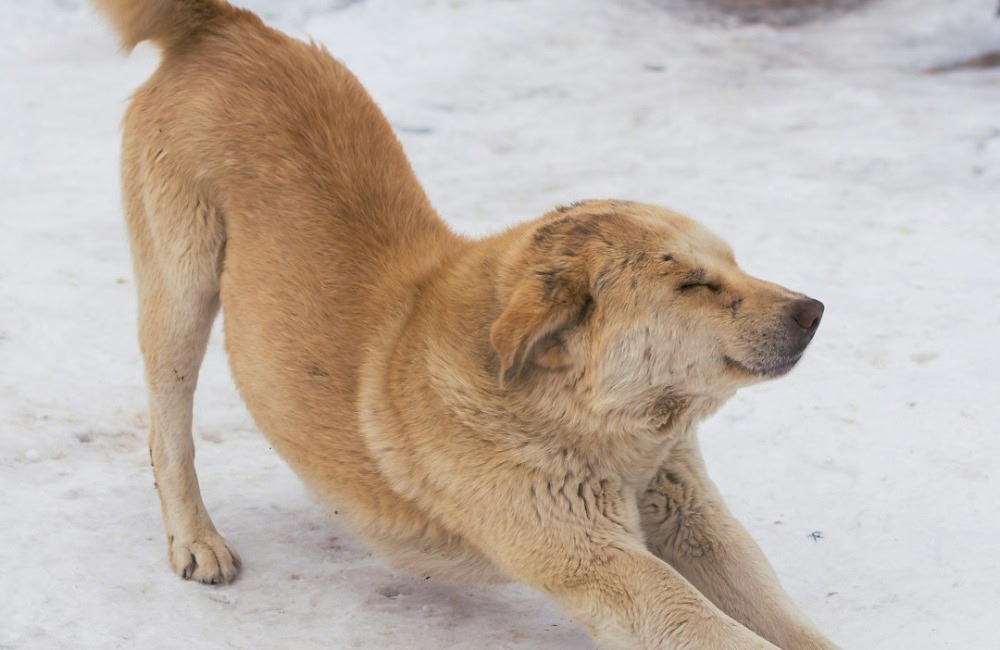
They Just Woke Up
Dogs sleep a lot. Adult dogs sleep around 12–14 hours a day. Their muscles become stiff after a long rest. Stretching will help relax those muscles. It is the same reason why humans stretch after taking a nap. This is totally natural, and you don’t have to worry about it.
They Want to Play
One of the most obvious signals in dogs is the play bow, where they lower their front body and raise their hindquarters while wagging their tail.
This is a dog stretch, a form of social communication. It signifies that your dog is joyous and playful. If your dog is doing this frequently, they might need additional activity. You can try to increase the amount of playtime.
They Are Showing Submission or Respect
Other dogs stretch out as a sign of relaxation. It communicates to other dogs and humans that they are harmless. You can see this when greeting strangers or other pets. In dog language, it’s a sign of politeness and peace.
They Are Trying to Communicate With You
Dogs quickly learn, and they learn from what gives them your attention. If stretching earns them play, affection, and food, they do it again. Your dog may be stretching intentionally. They would like you to interact with them. See what follows immediately after the stretch. Your dog could be communicating with you.
Gut Relief and Digestion
Sometimes they stretch to relieve gas or bloat. The forward bending relieves pressure on the stomach. This might be the cause of excessive stretching in your dog after meals. Pet owners must pay attention to their dog’s diet and digestion.
Why Does Your Dog Stretch So Much?
Occasional stretching is normal. However, frequent stretching may indicate a problem. These are some conditions to consider.
Pancreatitis
Pancreatitis is inflammation of the pancreas. If your dog is stretching a lot, refusing to eat, and vomiting, he might need a visit to the vet. It might be because of inflammation, and it does not depend on age, breed, or gender. It could be acute or chronic, and eating more fat-rich foods in larger quantities could be the cause.

Bloat (Gastric Dilatation-Volvulus)
Bloating could be really uncomfortable for your dog. Breeds with big bodies and that are deep-chested are more vulnerable. A swollen belly with a lot of prayer pose stretching (front down, bottom up) might be the indication. If your dog is gagging, retching, has a tender stomach that’s painful to touch, and is having difficulty breathing, immediately take your dog to a vet.
Abdominal Pain
Any internal pain may make a dog stretch beyond its normal length. This may include intestinal problems, kidney problems, or infections. Your dog is using the play stretch (rump up, front end down, flat on the floor) to get the internal pressure out. They usually do this stretch when no one is around and hold the stretch longer than usual. They can also show resistance to being touched or stroked in this condition. If the symptoms persist, schedule a visit to the vet.
Pain in Muscles or Joints
Musculoskeletal pain is one of the most common issues in elderly dogs. Orthopedic conditions may still occur in overweight dogs at a younger age. When you suspect your dog has joint pain, also look for other signs, such as energy levels, stiffness, ability to climb or jump, limping, or panting a lot. In case you find such symptoms, talk to the vet about pain management and mobility aids.
Why Do Dogs Stretch and Yawn?
Stretching and yawning tend to occur together. This combination usually indicates two things.
- They are waking up or slowing down. Dogs, just like humans, stretch and yawn between active and rest periods.
- They are anxious or stressed. Yawning is a calming behavior in dogs. When your dog stretches and yawns together in stressful circumstances, then they might be overwhelmed.
Pay attention to your surroundings. What is happening around your dog when you see them stretching?
If you’re traveling, ensure your dog is in a stress-free environment such as a trusted pet boarding facility.
How Much Stretching Is Too Much?
There is no fixed number for how often a dog should stretch. But you are familiar with your dog. You need to ask yourself the following questions:
- Is the stretching new, or has it changed recently?
- Is your dog eating and drinking as usual?
- Does he have any other strange symptoms?
- Does your dog appear to be uncomfortable or in pain?
If you answered yes to most of these, contact your vet. It’s always better to be safe.
Tips to Support Your Dog’s Physical Health
Keeping your dog engaged in activities and regular play helps reduce discomfort. But if needed, the following tips might be helpful.
- Exercise: Walking and playing daily will keep the muscles flexible and strong.
- Healthy diet: When well fed, it helps in digestion and reduces bloating.
- Routine grooming: It keeps your dog comfortable and clean with routine grooming. Going to a professional pet groomer means that your dog will have clean skin and hair.
- Regular vet visits: Early detection helps prevent small problems from becoming serious.
When to See a Vet?
As a pet parent, always follow your gut. Nobody is more familiar with the habits of your dog than you are. See a vet immediately if you notice the following:
- Excessive stretching with abdominal swelling
- Frequent vomiting or diarrhea with stretching
- Whimpering, crying, or pain during stretching
- Sudden increase in stretching without an apparent reason
- Anorexia or excessive drowsiness
These symptoms together can indicate a serious condition. Quick action makes a real difference.
Conclusion
Stretching is a normal part of a dog’s life. It generally means that your dog is healthy, happy, and comfortable most of the time. However, excessive stretching, particularly in combination with other symptoms, should never be overlooked. You should be able to distinguish between normal stretching and stress-related stretching.
A pro tip here is to always keep an eye on your dog. Learn their patterns. And as a rule of thumb, always call your vet.
FAQs
Q1: Is it normal for my dog to stretch several times a day?
Yes, it is quite normal and healthy behavior for dogs to stretch during the day.
Q2: What is it that makes my dog stretch towards me?
Your dog is probably demanding attention or love or asking you to play with them.
Q3: Is dog stretching a symptom of pain?
Yes, excessive stretching, particularly in a prayer posture, may point to abdominal pain or pancreatitis.
Q4: Why does my dog stretch after eating?
The post-meal dog stretching normally helps relieve gas, bloating, or light stomach disturbance.
Q5: Is it something to be concerned about when my dog stretches and yawns at the same time?
It is usually normal, but if it happens in stressful situations, your dog may be anxious.
The post Why Does My Dog Keep Yawning and Stretching? appeared first on ModernMom.