


Why Mom Stress Relief Matters More Than You Think
Mom stress relief isn’t just about feeling better in the moment—it’s about protecting your health and showing up as your best self for the people you love. If you’re looking for ways to ease the overwhelm, here are the most effective strategies:
Quick Stress Relief Methods:
- Deep breathing exercises (like the 4-7-8 technique)
- Short movement breaks (walking, stretching, or dancing)
- Mindfulness practices (even just 1-2 minutes of stillness)
- Asking for help and delegating tasks
- Setting boundaries by learning to say “no”
- Connecting with other moms for support
- Prioritizing sleep and healthy nutrition
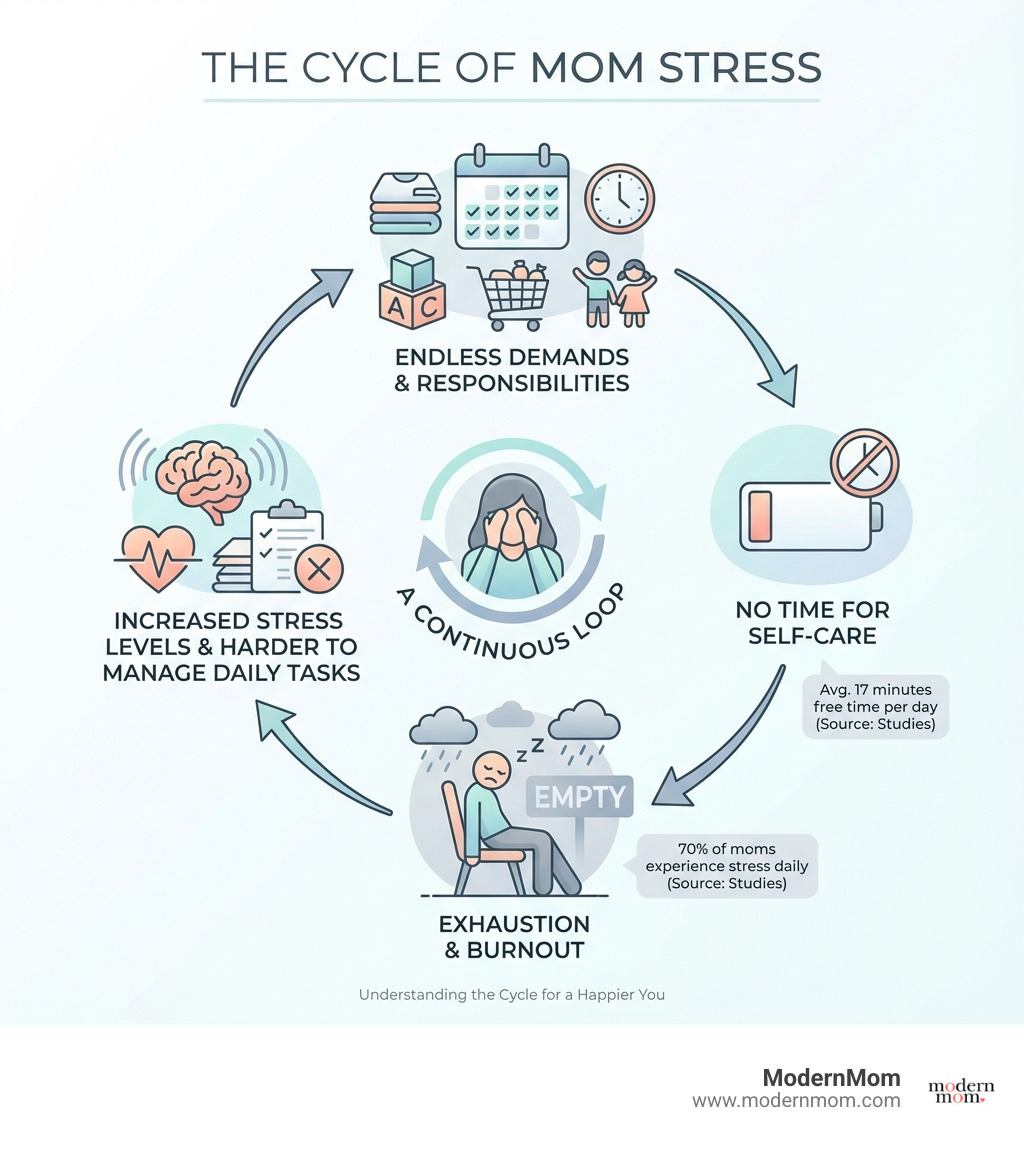
Let’s be honest—being a mom is one of the most rewarding experiences in life. It’s also one of the most demanding. Studies show that 70% of mothers experience stress every day, and the average mom gets only 17 minutes of free time to herself each day. That’s less time than it takes to watch a sitcom.
You’re juggling everything from doctor’s appointments to school schedules, managing everyone’s emotions, and somehow keeping the household running. Meanwhile, society tells you to “enjoy every moment” and be the “perfect mom.” No wonder stress feels like your constant companion.
But here’s the truth: your well-being isn’t a luxury—it’s a necessity. When you’re running on empty, everything becomes harder. Excess stress doesn’t just make you feel tired and irritable. It actually boosts cortisol levels in your body, which can increase your risk of high blood pressure, diabetes, obesity, depression, and anxiety.
The good news? Mom stress relief doesn’t have to mean grand gestures or hours of “me time.” Small, practical strategies can make a real difference in how you feel every day. This guide shares simple, actionable steps you can start using right now—whether you have five minutes or an hour.
At Modern Mom, we understand the real challenges busy mothers face every day. We’ve gathered expert advice, real-world strategies, and practical tips to help you find more calm and joy in your daily life. Because when you take care of yourself, everyone in your family benefits.
Mom stress relief helpful reading:
Why “Stressed Mom” Feels Like the New Normal
The invisible workload is real, and it often lands squarely on moms’ shoulders. We’re not just doing tasks; we’re also the family’s primary planners, organizers, and emotional regulators. This constant mental gymnastics, combined with societal pressure to be the “perfect mom,” creates a perfect storm for stress.
Common causes of stress for us include chronic lack of sleep, the never-ending financial worries that come with raising a family, and relationship strain with partners or even children. These daily demands can quickly lead to burnout, a state of physical, emotional, and mental exhaustion. Signs of burnout include chronic exhaustion that a good night’s sleep can’t fix, constant irritability, feeling detached from our loved ones, and physical symptoms like headaches or an upset stomach.
We might feel like we’re just “snapping over spilled milk” or feeling numb during bedtime stories, but these are often subtle cries for help from our overtaxed systems. Unfortunately, this kind of chronic stress isn’t just unpleasant; it has serious health consequences. Excess stress boosts cortisol, a hormone that, when liftd long-term, can increase our risk of high blood pressure, diabetes, obesity, depression, and anxiety. Taking care of ourselves is crucial for our long-term health and happiness.
The journey of motherhood changes us through every stage, and understanding these shifts can help us steer the stress. The Four Seasons of Motherhood reminds us that each phase brings unique challenges and joys.
The Unique Pressures of Working vs. Stay-at-Home Moms
Whether we’re working outside the home or managing it full-time, mothers face unique pressures that contribute to stress. Working moms, like the 78% of mothers with school-age children who work paid jobs, often grapple with the immense challenge of balancing career demands with family responsibilities. This can mean a “second shift” of childcare and housework after a full day of work, leaving little room for personal time or rest. The constant juggle can feel like an unending marathon. You can read more about The Struggles of Working at Home for additional insights.
On the other hand, stay-at-home moms frequently deal with feelings of isolation, a lack of adult interaction, and the challenge of feeling undervalued. Their work, though vital, is often unseen and unpaid, leading to a unique kind of stress. Both paths demand incredible energy and resilience, highlighting why mom stress relief strategies are so essential for all mothers.
Understanding the ‘Mental Load’
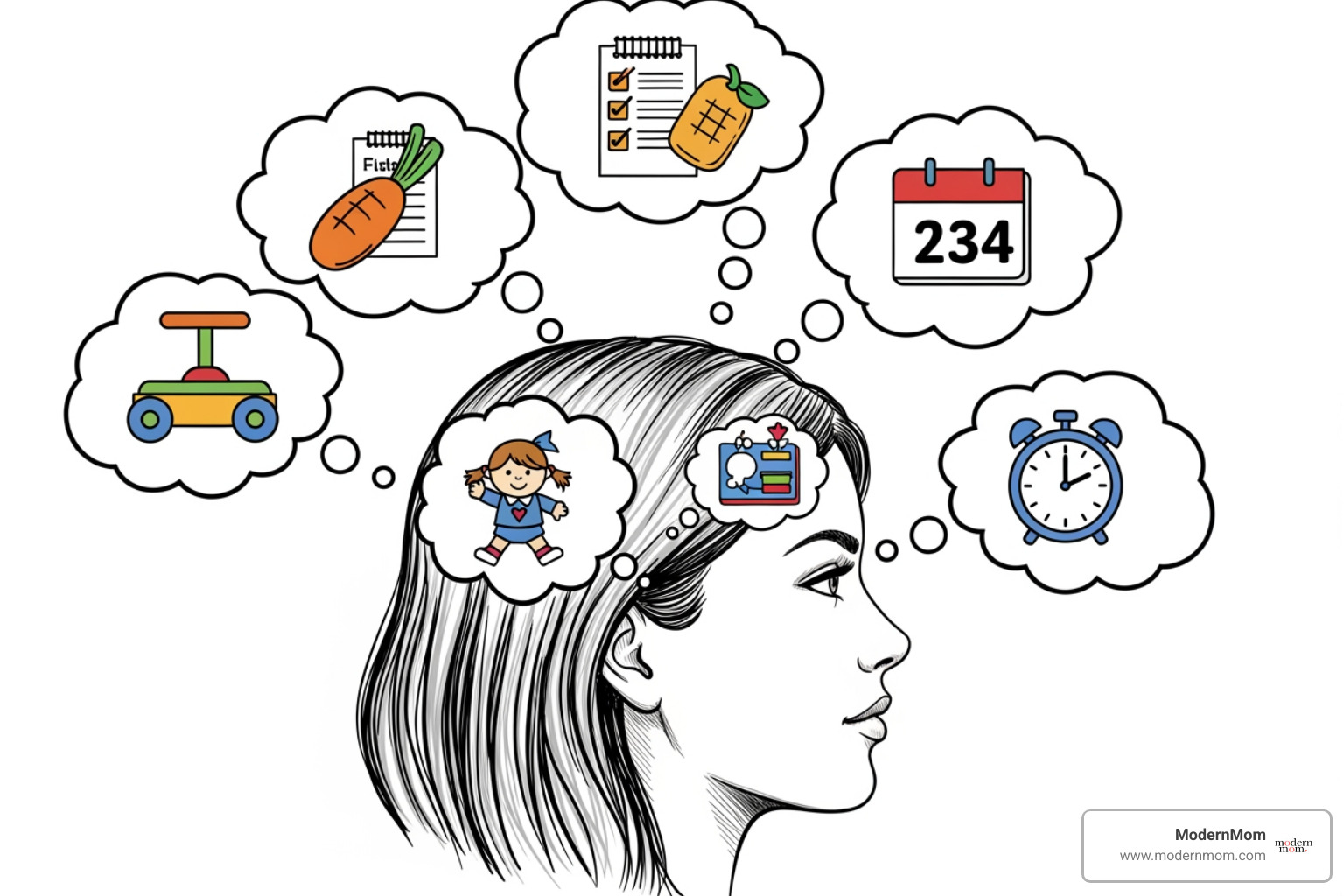
The “mental load” isn’t just a buzzword; it’s a profound contributor to maternal stress and burnout. It’s more than a simple to-do list; it’s the invisible, cognitive labor of remembering everything, constantly planning, and organizing the myriad details that keep a household and family running smoothly. This includes everything from doctor’s appointments and school forms to meal planning, remembering birthdays, and anticipating everyone’s needs. It’s the reason why, as we often joke, Why Does Everyone Need Mom When the Phone Rings?
This continuous mental effort can be exhausting, leaving us feeling like we’re always “on” and unable to truly relax. Studies show that parental satisfaction and parental stress correlate with shared household responsibilities, indicating that an unequal distribution of this mental load can significantly impact our well-being. When one person carries the bulk of this invisible labor, it inevitably leads to increased stress and a higher risk of burnout.
Quick, In-the-Moment Stress Relief Techniques

When overwhelm hits and we feel ourselves spiraling, having a few quick, in-the-moment strategies can be a lifesaver. These 5-minute resets and grounding techniques can help us regain our composure and shift our focus.
- The 4-7-8 Breath: This simple breathing exercise can quickly calm your nervous system. Inhale deeply through your nose for a count of four, hold your breath for a count of seven, and then exhale completely through your mouth for a count of eight. Repeat a few times.
- Step Outside: Even a minute or two of fresh air and a change of scenery can work wonders. Step onto your porch, open a window, or just look out at the sky. This simple act can help reset your nervous system.
- Dance It Out: Put on your favorite upbeat song and just move. Dancing is a fantastic way to release physical tension and shift your mood. Your kids might even join in, making it a fun, shared moment of mom stress relief.
- Engage Your Senses: Ground yourself by focusing on one or more of your senses. Sip a warm cup of tea or coffee, smell a calming essential oil or candle, or hold a smooth stone or a soft blanket. This brings you back to the present moment.
- Laugh: Laughter truly is potent medicine. It’s a great way to break tension and can instantly lighten your mood. Watch a funny video, recall a hilarious memory, or even fake a laugh until it becomes real.
- A Quick Stretch: Our bodies hold a lot of tension, especially in the neck and shoulders. Take a minute to do a few gentle stretches. Roll your shoulders, tilt your head from side to side, or reach your arms overhead. This physical release can lead to mental calm.
Building Daily Habits for Lasting Mom Stress Relief
While quick fixes are great for immediate relief, building consistent daily habits is key to achieving lasting mom stress relief. Think of it as preventative care for your mind and body. Small, consistent actions make a huge difference over time, creating a foundation of well-being. Self-care isn’t selfish; it’s absolutely necessary for us to thrive and show up as our best selves for our families.
Move Your Body to Boost Your Mood
We often hear about exercise, but let’s reframe it as “movement” – finding ways to move our bodies that we actually enjoy. Physical activity is incredibly powerful for mom stress relief because it releases endorphins, those natural mood boosters, and helps to reduce cortisol, the stress hormone. You don’t need hours at the gym; even short bursts count.
Consider activities like a brisk walk around the block, a quick yoga session, or simply dancing in the kitchen while preparing dinner. Involving the kids in active play, whether it’s kicking a ball in the yard or a family dance party, can also be a wonderful way to combine bonding with stress-reducing movement. The goal is to find movement that brings you joy, making it a sustainable habit rather than another chore.
Fuel Yourself with Stress-Busting Nutrition
What we eat significantly impacts our mood and energy levels, making nutrition a critical component of mom stress relief. When we’re stressed, it’s easy to reach for comfort foods high in sugar or unhealthy fats, but these can lead to energy crashes and exacerbate feelings of anxiety. Instead, focusing on nutrient-dense foods can help stabilize our mood and provide sustained energy.
Prioritize whole foods, especially fruits and vegetables in a range of colors. These are packed with antioxidants that help combat the effects of stress. Eating fruits and veggies can genuinely make us feel better. We also want to avoid sugar crashes by choosing complex carbohydrates and lean proteins. Hydration is equally important; mild dehydration can cause headaches and fatigue, making us more susceptible to stress. Keep a water bottle handy and aim for six to eight cups daily.
For healthy snack ideas, consider options like a handful of nuts, Greek yogurt with berries, or apple slices with almond butter. These provide sustained energy and essential nutrients. And for our nursing mothers, did you know Why Coconut Oil Is Good for Nursing Mothers? Healthy eating doesn’t have to be complicated; simple, mindful choices can make a big difference in how we feel.
Reclaim Your Nights: The Power of Sleep
For many of us, sleep feels like a distant luxury, yet it’s one of the most powerful tools for mom stress relief. Sleep deprivation and stress have a toxic, cyclical relationship: lack of rest makes everything harder and increases stress, and stress, in turn, makes it difficult to sleep. This vicious cycle can impair emotional regulation, weaken our immune system, and heighten anxiety. Moms are notoriously for not getting enough sleep, but reclaiming our nights is essential for our physical and mental health.
We know aiming for seven to eight hours of quality sleep might feel impossible, but even small improvements can help. Consider creating a wind-down routine 30-60 minutes before bed: dim the lights, read a book, or take a warm bath. Limit screen time before bed, as the blue light can interfere with melatonin production. Make your bedroom a sanctuary—dark, quiet, and cool.
If your kids are still sharing your bed, you might find some helpful advice on How to Break Habit of Kids Sleeping in Parents Bed. New moms struggling with sleep can also find specific strategies to combat sleep deprivation. Even sneaking in a short nap when possible can help reset your system and reduce overall stress.
Find Calm with Mindfulness and Hobbies
Finding moments of calm doesn’t require a silent retreat; mindfulness can fit into even the busiest mom’s routine. It’s about being present and aware, even for a minute or two. Studies show the Impact of mindfulness-based stress reduction on improving sleep, mood, and stress symptoms.
Try one-minute meditations during a quiet moment, like waiting for water to boil or during a stoplight. There are many free apps and guided meditations available that can help you focus on your breath. Journaling is another powerful tool; writing down your thoughts, feelings, and gratitude can help process emotions and reduce mental clutter. The health benefits of journaling are immense, from balancing emotions to fostering self-reflection. We can also create a personal mantra, a positive affirmation that helps us refocus and find strength, as discussed in Creating a Motherhood Mantra and Why It Matters.
Beyond formal practices, reconnecting with hobbies we love is vital for mom stress relief. Whether it’s reading a good book, crafting, gardening, or listening to music, engaging in activities purely for personal enjoyment can be incredibly restorative. These moments remind us who we are beyond our roles as mothers and provide a much-needed mental break.
You Don’t Have to Do It All: Asking for Help & Setting Boundaries
We often feel like we have to be superheroes, capable of handling everything perfectly. But the truth is, no one can do it all, and trying to only leads to burnout. Letting go of that guilt and embracing the idea that “it takes a village” is a huge step toward mom stress relief.
Communicate Your Needs and Ask for Help
It’s common for us to worry about being a burden or to feel like we should be able to manage everything ourselves. But asking for help isn’t a weakness; it’s actually a profound sign of strength. As Forbes highlights, Asking for help is a sign of strength. We often need help most when we’re least likely to ask for it.
Open communication is key, especially with our partners. Instead of bottling up stress, have an open conversation. Be specific and direct with your requests. For example, instead of saying, “I need more help,” try, “I’m feeling overwhelmed by school pick-ups; could you handle them on Tuesdays and Thursdays?” This clarity makes it easier for others to step up. If you’re struggling with communication in your relationship, you might find insights in Stop Feeling Resentful in Your Marriage.
Don’t forget to delegate age-appropriate tasks to your children. Even young kids can help with chores, which not only lightens your load but also teaches them responsibility and teamwork.
The Power of “No”: Setting Healthy Boundaries
Protecting our time and energy is crucial for mom stress relief, and that often means learning the power of “no.” It can feel uncomfortable at first, especially when we’re used to saying “yes” to everything, but setting healthy boundaries is a skill worth practicing. It’s perfectly okay to decline requests or commitments that don’t align with our priorities or that would stretch us too thin.
Saying “no” to one thing allows us to say “yes” to something else that truly matters, like our well-being or quality time with our families. Prioritizing ourselves isn’t selfish; it’s essential for our mental and physical health. For ideas on how to carve out personal time, explore Top Ten Ways to Sneak in Some Me-Time. These boundaries help us manage our energy and prevent resentment from building up.
Lean on Your Social Support Network
Motherhood can sometimes feel incredibly isolating, even when we’re surrounded by our families. That’s why leaning on our social support network is so vital for mom stress relief. Connection is key to combating loneliness, reducing stress, and providing emotional regulation.
Reach out to friends, family members, or other moms who understand what you’re going through. Join local mom groups, online forums, or even coordinate a regular coffee date. Schedule time with friends, and if possible, try to make some of those outings kid-free. These connections provide a safe space to share experiences, vent frustrations, and receive encouragement. The Mayo Clinic emphasizes the importance of Social connection and stress, showing how strong social ties can significantly buffer the effects of stress on our health. We’re all in this together.
Frequently Asked Questions about Mom Stress
We know you have questions, and we’re here to provide clear, actionable answers to help you steer the common challenges of mom stress relief.
How can I prioritize self-care without feeling guilty?
This is perhaps one of the biggest problems we face as moms. The guilt can be overwhelming, making us feel selfish for taking time for ourselves. However, we need to reframe self-care not as a luxury, but as an essential part of being a good mother. A calmer, happier, and more energized mom benefits everyone in the family. When we take care of ourselves, we have more patience, more energy, and more joy to share with our children.
Start small. Even 5-10 minutes a day of focused self-care can make a difference. This might be enjoying a cup of tea in silence, listening to a favorite song, or taking a few deep breaths. Remind yourself that It’s not selfish to take care of yourself; it’s a necessary investment in your well-being. By prioritizing your needs, you’re also modeling healthy self-respect and self-care behaviors for your children, teaching them the importance of balancing responsibilities with personal well-being.
What is the ‘mental load’ and how can I reduce it?
The ‘mental load’ is the invisible labor of managing a household and family. It’s not just doing the chores; it’s the constant “thinking,” planning, and anticipating everyone’s needs. This includes remembering doctor’s appointments, school deadlines, grocery lists, meal planning, organizing playdates, and coordinating schedules. It’s the cognitive work that often goes unnoticed but is incredibly draining.
To reduce this load, communication is paramount. Have open, honest conversations with your partner about dividing these invisible tasks. Implement shared digital calendars or family planning apps to make the mental load visible. Delegate age-appropriate responsibilities to your children. For example, older kids can manage their own school supplies or help with meal prep. Don’t be afraid to let go of perfectionism; sometimes “good enough” is truly good enough, allowing you to shed some of that mental weight.
When should I consider seeking professional help for stress?
It’s important to recognize that while some stress is a normal part of life, persistent or overwhelming stress can be detrimental to our health. If you find that your stress feels unmanageable, or if you’re experiencing persistent feelings of sadness, anxiety, extreme irritability, or hopelessness, it’s a strong indicator that professional help might be beneficial.
These feelings can sometimes signal depression or anxiety that requires more than self-help strategies. If your stress is impacting your daily functioning—your sleep, appetite, relationships, or ability to engage in activities you once enjoyed—it’s time to reach out. Talking to a therapist, counselor, or your doctor is a sign of immense strength, not weakness. They can provide tools, coping strategies, and support custom to your unique situation. You can find qualified professionals through online directories or by asking your doctor for a referral to start your journey toward healing and better well-being.
Your Well-Being Matters Most
Managing mom stress relief is a journey, not a destination. There will be good days and challenging ones, but every small step you take to prioritize your well-being contributes to a larger, more sustainable sense of calm and joy. It’s about progress, not perfection.
The long-term benefits of effectively managing maternal stress are profound, not just for you but for your entire family. A less stressed mom is a more present, patient, and joyful mom, creating a happier and healthier home environment for everyone. Your children learn resilience and self-care by watching you.
So, be kind to yourself. Celebrate the small victories, forgive yourself for the imperfect moments, and keep integrating these strategies into your daily life. ModernMom is here to support you through every stage of this incredible journey.
For more resources and information on maintaining a healthy lifestyle, visit More info about healthy living.
The post Mom Stress Relief: Simple Strategies for a Happier You appeared first on ModernMom.