


Why DIY Money Saving Tips Matter More Than Ever
DIY money saving tips can help busy families cut hundreds of dollars from monthly expenses without sacrificing quality of life. For most moms, that means less stress about bills and more room in the budget for what really matters.
Top DIY Money Saving Tips for Families:
- Meal plan weekly – Reduces food waste and impulse purchases by up to 30%
- Make your own cleaners – Vinegar, baking soda, and Castile soap cost pennies compared to store brands
- Seal air leaks – Weatherstripping and caulking can cut heating/cooling bills by 10–20%
- Switch to LED bulbs – Can save up to about $55 per bulb over its lifetime
- Learn basic repairs – Free tutorials help you fix instead of replace
Many families are feeling a financial squeeze right now. More than half of households report difficulty meeting monthly expenses, and with grocery prices rising, the pressure is real.
The encouraging part is that you don’t always need a bigger paycheck to feel a difference. Small, smart changes around your home can quietly add up to real savings over weeks and months.
The beauty of DIY money saving is that it puts you back in control. Instead of feeling powerless against rising costs, you can take action today in your kitchen, your laundry room, and even your backyard.
These aren’t stressful life overhauls. They’re simple, practical strategies that real moms use every day to stretch the family budget without feeling deprived.
Many of these ideas come from communities of parents who share what actually works, from homemade cleaning supplies to creative leftovers. For any mom managing a household, resourcefulness and creativity are powerful financial tools.
The DIY money saving tips in this guide have helped countless families reclaim their budgets. With a few easy changes, they can work for your home too.
Slash Your Grocery & Household Bills with Smart DIY Habits
This section covers one of the most impactful areas for daily savings: your kitchen and cleaning closet. With a few simple changes, you can eat healthier, reduce waste, and keep your home sparkling for less.
Master Your Kitchen & Cut Food Costs
Grocery bills often feel like one of the trickiest expenses to tame, especially with rising food prices. The good news is that this is also where DIY money saving tips can make a huge difference.
Experts agree that prepping most meals at home instead of eating out or ordering in can transform a family budget. One dietitian from a major medical center notes that a cup of coffee at home costs about 25 cents compared to $4–$6 at a coffee shop. Multiply that by a week or a month and the savings are easy to see.
One of the best strategies to adopt is thoughtful weekly meal planning. By planning meals for the week, you can shop once, stick to a list, and avoid impulse buys. It also helps you use up what you already have in your pantry and fridge, preventing food waste.
Studies show that households throw away hundreds of dollars’ worth of food every year. That’s money literally going into the trash. Planning a “use it up” night once a week is a simple way to clear out odds and ends before they spoil.
Buying in bulk can also help. Stock up on non-perishable basics like rice, pasta, beans, and canned goods when they’re on sale. For families, sharing “buy one get one free” (BOGOF) deals with friends or neighbors is a clever way to save without over-purchasing.
Be more selective with bulk produce, since fresh items can spoil quickly. If your family won’t use a giant bag of fruit in time, split it with another family or choose frozen options.
Reducing food waste also means getting creative with leftovers. Instead of tossing them, repurpose proteins into new meals – think chicken burritos from last night’s roast chicken or a frittata made from leftover veggies. Freezing single servings of leftovers gives you quick, healthy “busy night” meals and keeps good food from going bad.
Don’t overlook “ugly” fruits and vegetables. Many stores offer them at a discount, and they’re just as delicious and nutritious as their prettier counterparts. For more healthy, budget-friendly meal ideas, resources like Eating Well With Canada’s Food Guide are a great place to start.
You can also save by making your own convenience foods. Instead of buying pre-cut vegetables (which can add $60–$120 to a monthly bill), chop them yourself and store them in clear containers so they’re ready to grab. Mix your own spice blends and salad dressings at home to cut costs and control ingredients.
If you have even a tiny bit of space or a sunny window, growing your own herbs can be a game changer. A packet of seeds costs far less than a single store-bought bunch and can give you fresh flavor for months. Community gardens are another low-cost way to get fresh produce while teaching kids where their food comes from.
Create Your Own Cleaning & Personal Care Products
Imagine a home that’s sparkling clean, smells fresh, and costs a fraction of what you used to spend on store-bought products. That’s exactly what many families find when they switch to DIY cleaning and personal care.
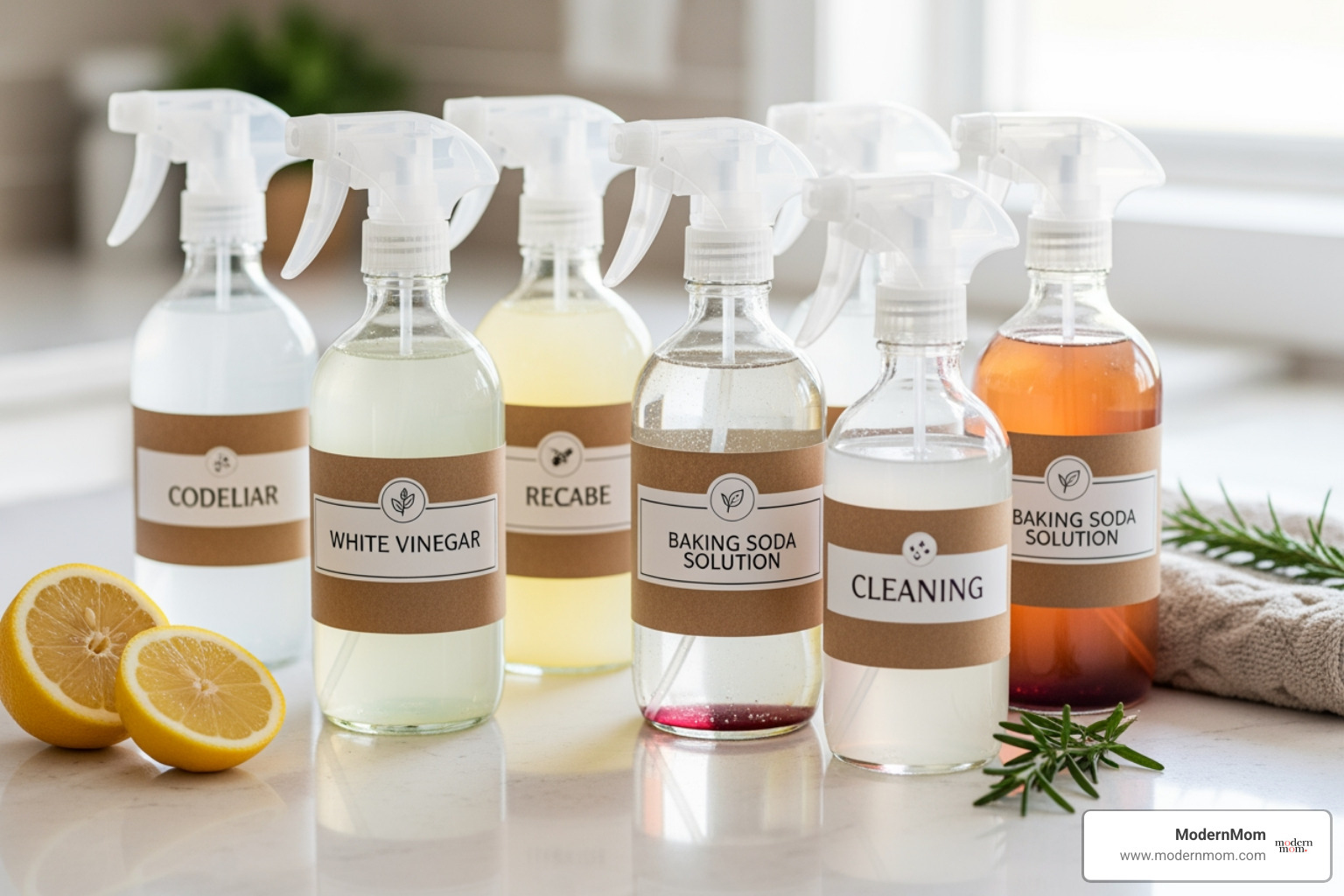
One mom from Dartmouth, NS shared that simple pantry staples like vinegar, baking soda, washing soda, Borax, and Castile soap are far cheaper than most branded cleaners and still do an amazing job. With a small starter set of ingredients, you can mix effective, family-friendly cleaners for almost every surface in your home.
For an easy all-purpose cleaner, mix equal parts white vinegar and water in a reusable spray bottle, then add a few drops of essential oil if you like a light scent. Baking soda works beautifully as a gentle scrub and deodorizer, while Castile soap forms a mild but powerful base for homemade solutions like dish soap or laundry soap.
The benefits go beyond your wallet. Many homemade detergents and cleaning products avoid harsh chemicals, which can mean a safer environment for kids and pets. Refilling sturdy glass or reusable plastic bottles also cuts down on plastic waste.
Personal care is another area where small DIY swaps add up. Instead of pricey sugar scrubs, mix regular sugar with a little olive or coconut oil and a few drops of essential oil for an indulgent exfoliating treat. It takes minutes to make and feels like a spa moment at home.
For foaming hand soap, fill a foaming dispenser with about 1 part liquid soap to 3 parts water, then gently swirl. You get the same bubbly feel with far less soap, stretching each bottle much further.
These little DIY changes are simple enough to tackle during naptime or after bedtime. Over a few months, they can make a noticeable difference in your household budget while keeping your home feeling clean and cared for.
Lower Your Utility & Housing Costs with These DIY Money Saving Tips
Your home holds huge potential for savings. These simple DIY projects and maintenance tasks can significantly lower your monthly bills and make your space more comfortable and efficient.
Easy DIY Projects to Reduce Your Utility Bills
Utility bills – electricity, gas, and water – can feel non-negotiable, but small tweaks can make a bigger dent than many families expect. With a few DIY money saving tips, you can lower costs without sacrificing comfort.
A quick win is adjusting your water heater temperature. Most homes do well with a setting around 120 degrees Fahrenheit (about 49 degrees Celsius). Lowering it from a higher setting can save money on heating water, which often makes up a big chunk of a home’s energy use.
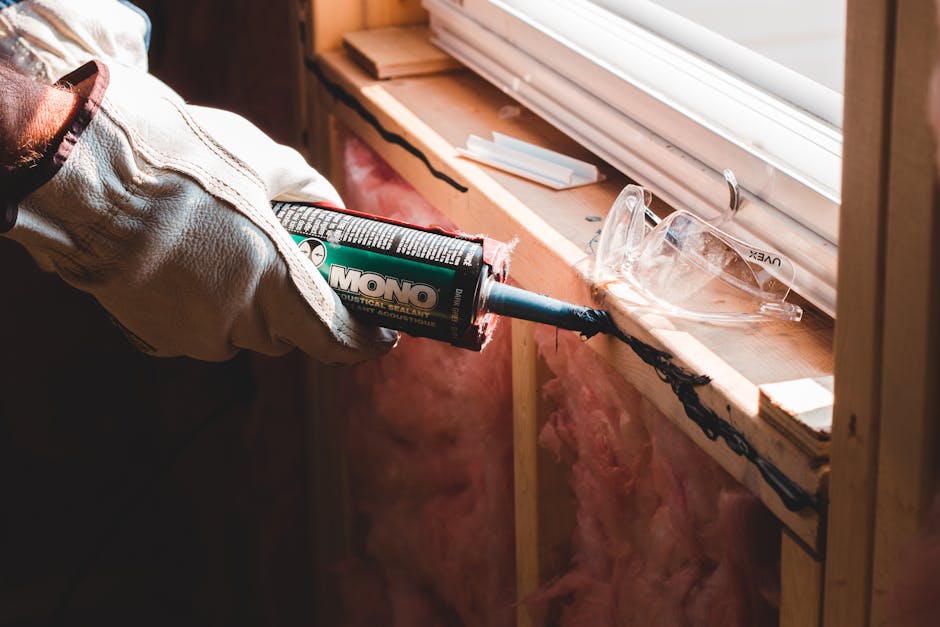
Sealing drafts is another high-impact, low-cost project. Use weather-stripping and caulk to close up gaps around windows and doors. For those stubborn spaces under doors, a DIY draft blocker made from fabric and filling (like kitty litter, rice, or old socks) can help keep warm or cool air inside.
These simple fixes can save around 10–20% on heating and cooling bills, depending on your home and climate. The U.S. Department of Energy shares many helpful Do-It-Yourself Energy Savers Projects to walk you through step by step.
Switching to LED bulbs is another easy change. While they cost a bit more upfront than incandescent bulbs, they use far less energy and last much longer. Many families see their electric bill drop just by swapping out the most-used lights in kitchens, living rooms, and kids’ bedrooms.
Regular maintenance also plays a key role. Cleaning or replacing furnace and AC filters on a consistent schedule helps systems run efficiently and can prevent costly breakdowns.
Water conservation offers even more DIY savings. If you’ve ever watched cold water run down the drain while waiting for the shower to warm up, try placing a bucket in the tub or shower to catch it. Use that water for plants, flushing toilets, or cleaning.
Low-flow showerheads and promptly fixing leaky faucets can save thousands of gallons of water a year. A single dripping faucet can waste more than 1,600 gallons annually, so those tiny drips are worth your attention.
Don’t underestimate fans, either. In summer, set ceiling fans to rotate counter-clockwise to push cool air down, allowing you to set the thermostat a few degrees higher. In winter, reversing them can help circulate warm air.
Save Big with DIY Home & Appliance Maintenance
Professional repairs and surprise appliance replacements can blow up a monthly budget. Learning a few basic DIY money saving tips for home and appliance maintenance can stretch the life of what you already own.
Simple tasks like cleaning refrigerator coils, checking dryer vents for lint buildup, or tightening loose screws on cabinet doors can keep things running smoothly. Search YouTube for step-by-step tutorials on common fixes, from unclogging a sink to replacing a broken drawer slide.
When it comes to furnishing your home, think creatively before buying new. Upcycling furniture with a fresh coat of paint, stain, or new hardware can turn a hand-me-down or thrift-store find into something you love.
Thrift stores, online marketplaces like Craigslist or Facebook Marketplace, and local buy/sell/trade groups can be gold mines for gently used furniture and appliances. Many families pass along baby gear, kids’ furniture, and storage solutions that still have plenty of life left.
Even learning small repair skills, like patching a nail hole in drywall or fixing a running toilet, adds up over time. These projects build confidence and help you feel more in control of your home.
Smart DIY Strategies for Laundry Expenses
Laundry is one of those chores that never ends, and the costs can pile up quietly. A few DIY money saving tips can lower your laundry expenses without sacrificing clean, fresh clothes.
Start by using the right amount of detergent. Many people pour in far more than they need, which is hard on both clothes and the budget. One consumer group pointed out that detergent dosing can be confusing, leading to overuse.
Check the cap or instructions and use the lowest recommended amount for your load size. For more guidance, you can read about it here: Why you might be using too much detergent.
Next, wash in cold water whenever possible. Modern detergents are designed to work well in cold cycles, and you’ll save the energy it takes to heat water. Running full loads, when practical, also helps you get the most out of each wash.
Your dryer is one of the biggest energy users in the house. Line drying on indoor racks or an outdoor clothesline, even part-time, can cut your bill and is gentler on fabrics.
For a DIY fabric softener alternative, try placing a washcloth lightly soaked in a diluted liquid fabric softener solution into the dryer instead of using sheets. Or add a splash of white vinegar to the rinse cycle as a natural softener that also helps reduce residue and odors.
Making a few of these tweaks can lower your utility costs and help your clothes last longer, which means fewer emergency shopping trips for replacement outfits.
Get Creative: DIY Savings on Family Fun, Gifts & Style
A frugal life doesn’t have to feel boring or restrictive. With a little creativity, you can save money on clothing, entertainment, and gift-giving while still making beautiful memories and expressing your style.
Extend Wardrobe Life & Refresh Your Style on a Dime
Clothing and footwear can take a big bite out of the family budget, especially with growing kids and changing seasons. A few DIY money saving tips can stretch what you already own and make “new to you” pieces feel exciting.
Basic mending skills are priceless. Learning to sew on a button, fix a loose hem, or patch a small tear can rescue favorite pieces from the donation pile.
Simple alterations, like hemming pants or taking in a waistband, can make budget-friendly finds fit like they were made for you. There are plenty of beginner-friendly tutorials online if you’re just getting started.
Take care of your footwear, too. For sneakers, some moms swear by lightly starching new or freshly washed pairs to help them stay cleaner longer.
Regularly wiping shoes down, letting them fully dry before wearing again, and storing them properly will help them last through more seasons and more kids.
To refresh your style without blowing the budget, host a clothing swap with friends or neighbors. Everyone brings pieces they no longer wear and “shops” each other’s piles. It’s fun, social, and completely free.
Thrifting is another powerful tool. Second-hand stores often carry unique items and high-quality brands at a fraction of their original price. You can find children’s clothes, maternity wear, work outfits, and even home goods while keeping your budget in check.
Give Thoughtful, Frugal Gifts with a Personal Touch
Gift-giving can be joyful and meaningful without being expensive. Tapping into DIY money saving tips for birthdays, holidays, and teacher gifts helps you stay generous without overspending.
Homemade cards are a simple place to start. Instead of buying a card for every occasion, let the kids get creative with paper, crayons, and stickers.
Grandparents, teachers, and friends usually cherish those far more than something store-bought.
For DIY gifts, consider:
- Baked goods: Cookies, banana bread, granola, or jarred mixes.
- Photo gifts: Simple framed prints, photo books, or a yearly family calendar.
- DIY craft kits: Gather supplies for one fun project in a box or basket.
If you need ideas, sites like Michaels.com offer plenty of inspiration for beginner-friendly projects.
Don’t forget the “gift of time.” A handwritten coupon for a night of babysitting, a homemade dinner delivered on a busy weeknight, or help with yard work can mean more than anything wrapped in paper.
To keep holidays from getting overwhelming, set realistic price ranges, draw names for gift exchanges, or pool money for shared experiences. Planning ahead by saving a small amount each month can also soften the hit.
DIY Recreation & Entertainment for the Whole Family
Fun doesn’t have to come with a big price tag. Some of the sweetest family memories are made at home or in your own neighborhood.
Turn a regular evening into an at-home movie night with library DVDs or streaming, popcorn on the stove, and everyone in pajamas. A backyard “campout” with sleeping bags, flashlights, and s’mores can feel like a mini vacation for younger kids.
Public libraries are treasure troves for free entertainment. Beyond books, many offer ebooks, audiobooks, activity kits, and even streaming services like Hoopla.
Some libraries also lend museum passes or access to local attractions.
Look up free community events through your city, school, or local parks and recreation department. Outdoor concerts, festivals, story times, and seasonal events can fill your calendar without stressing your budget.
And never underestimate the magic of simple outings: a picnic at a park, a nature walk, exploring a new playground, or a family board game tournament at the kitchen table.
These moments cost very little but create the kind of memories kids talk about for years.
Frequently Asked Questions about DIY Money Saving
What are the most impactful DIY savings for a beginner?
For the biggest impact with the least effort, start in the kitchen with meal planning to cut food waste. Then look at your utility bills by adjusting your thermostat, using cold water for laundry, and sealing obvious drafts. These simple changes can offer quick, satisfying financial wins for a busy family.
Is it really cheaper to DIY everything?
Not always. It’s important to consider the cost of materials and, just as importantly, your time and energy.
If a DIY project leaves you overwhelmed and doesn’t save much money, it may not be worth it. Start with small, easy projects you feel confident about and only move on to bigger ones if you have the time and enjoy learning new skills.
Where can I learn the skills for more advanced DIY projects?
YouTube is an incredible resource for visual, step-by-step tutorials on everything from plumbing basics to sewing, painting, and furniture repair.
Your local library often has books on home repair, crafting, and budgeting that are written for beginners. Many home improvement stores and community centers also offer free or low-cost workshops where you can practice hands-on skills before trying them at home.
Conclusion
Embracing a DIY mindset is about more than just saving money. It’s about feeling empowered, getting creative, and building a more sustainable, intentional life for your family.
Every small change counts. Swapping a few cleaners, planning your meals, or learning one new home repair skill can take pressure off your budget and give you a little more breathing room.
Here at ModernMom, the belief is that every dollar saved is a step toward greater financial freedom and less stress for moms. Start with one small tip today and watch the savings quietly grow over time.
Find more financial tips for your family. Each smart, DIY-focused choice not only benefits your wallet, but also teaches your kids resilience, creativity, and resourcefulness. You’re building a more mindful, confident home life, one doable step at a time.
The post Smart DIY Hacks for a Frugal Life appeared first on ModernMom.