

Why Self Care During Winter Matters More Than Ever
Self care during winter isn’t just a nice-to-have—it’s essential for protecting your mental and physical health during the season’s darkest months. Here’s what helps most:
- Get natural light exposure early in the day, even for just 10-15 minutes
- Maintain a consistent sleep schedule to anchor your internal clock
- Stay connected with friends and family, even through quick video calls
- Move your body daily, even if it’s just stretching or a short walk
- Create a cozy home environment with warm lighting and comforting scents
- Consider light therapy if you experience significant mood changes
- Seek professional help if symptoms persist or interfere with daily life
Winter can feel especially heavy when you’re a mom. The short days and long nights make getting kids to activities feel harder. The gray skies seem to drain your energy before you’ve even finished morning drop-off. And the pressure to keep everyone warm, fed, entertained, and happy? It’s exhausting.
If you’ve been feeling more tired, irritable, or unmotivated lately, you’re not imagining it. About 5% of Americans experience Seasonal Affective Disorder (SAD), and many more deal with milder “winter blues.” Women are four times more likely than men to be affected—and the demands of motherhood can make it even tougher.
The good news? You don’t have to white-knuckle your way through until spring. There are simple, science-backed strategies that can help you feel more like yourself again—even on the coldest, grayest days.
Juggling family and work through the winter months teaches you a thing or two. The most important lesson? Self-care isn’t about adding more to your plate—it’s about making small, intentional choices that protect your energy and mood. In this guide, you’ll find practical, mom-friendly ways to take care of yourself when the season feels overwhelming.
Understanding the Winter Slump: Why You Feel This Way
We’ve all been there: feeling less motivated and more disengaged as the days get shorter. It’s a common experience, but understanding why it happens can help us steer it better. The cooler weather and reduced daylight during winter can significantly impact our mood and energy levels.
The core reason lies in our body’s internal clock, or circadian rhythm. Subtle shifts in daylight, like those after Daylight Saving Time, can disrupt this rhythm. This disruption affects key hormones like serotonin and melatonin, which are crucial for regulating our mood and sleep patterns. When serotonin (our “feel-good” neurotransmitter) decreases in winter, and melatonin (associated with depression and sleepiness) increases, we naturally feel more sleepy, irritable, and sad.
This is why many of us find ourselves feeling more tired and low-energy during the colder, darker months. We might notice we need to sleep for longer, experience changes in appetite, or find it difficult to enjoy things we normally love. This feeling of being “sluggish” is a direct biological response to the change in seasons.
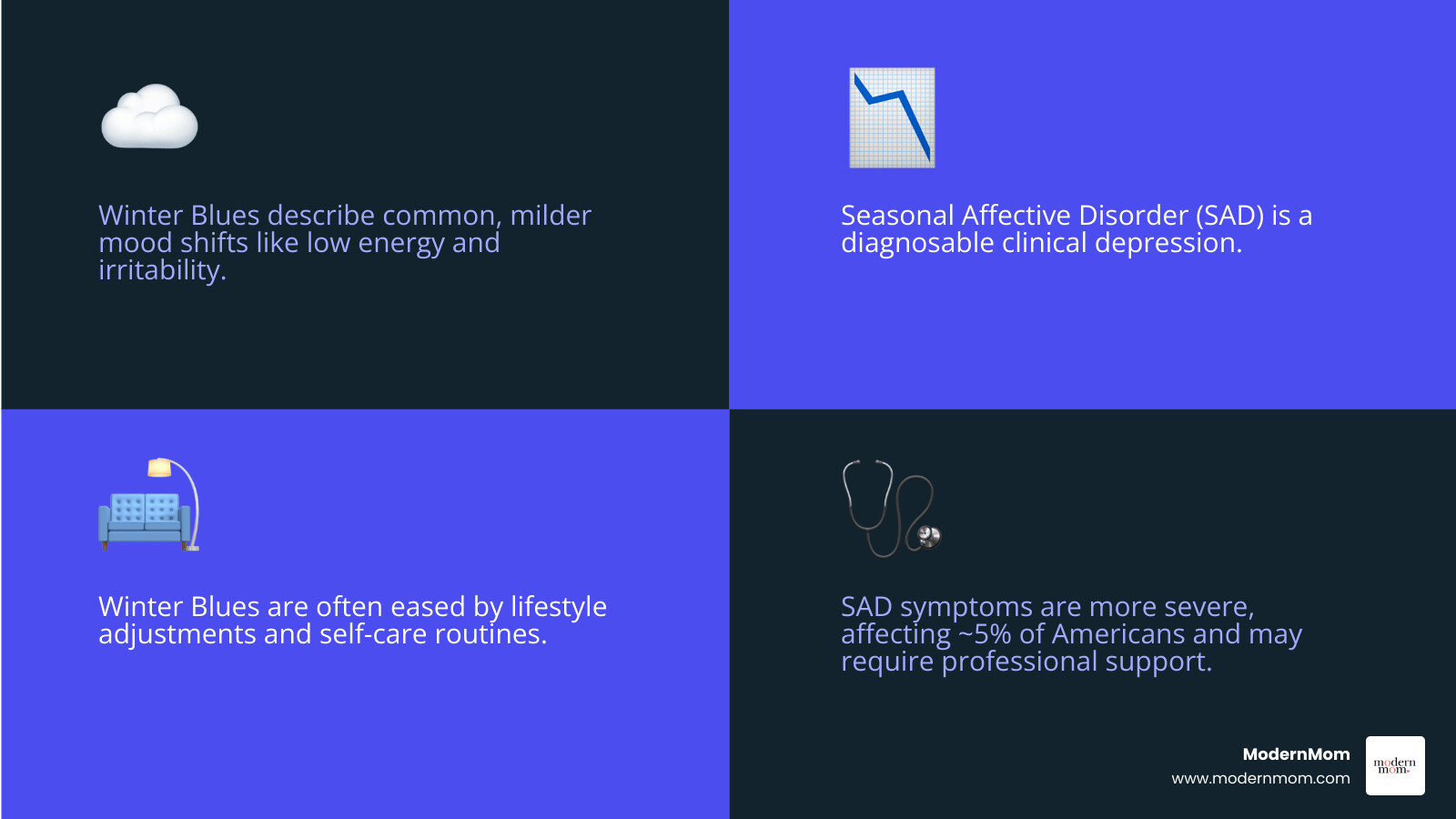
It’s important to differentiate between the common “winter blues” and Seasonal Affective Disorder (SAD). While both involve a dip in mood during winter, SAD is a more serious condition.
| Feature | Winter Blues | Seasonal Affective Disorder (SAD) |
|---|---|---|
| Symptoms | Mild sadness, fatigue, lack of motivation, and craving carbs. | Persistent low mood, hopelessness, social withdrawal, and significant changes in sleep and appetite. |
| Severity | Mild and manageable. You can still function day-to-day. | Moderate to severe. Symptoms are debilitating and interfere with work, school, and relationships. |
| Impact | A general feeling of being “in a slump” that doesn’t stop you from living your life. | A clinical form of depression that requires professional diagnosis and treatment. |
Your Mom-Friendly Toolkit for Self Care During Winter

Nurture Your Body & Energy
When the winter gloom hits, it’s easy to want to hibernate, but nurturing our bodies with gentle movement and proper rest can make a world of difference. Even small bursts of physical activity can release those feel-good endorphins, giving our mood a significant lift and helping to reduce stress. Studies show that even 10 minutes of activity, like chair yoga or lifting light weights, can have positive health benefits.
If outdoor workouts aren’t feasible due to cold or ice, there are plenty of indoor options. Try online yoga videos, fitness apps, or even a spontaneous dance party with the kids! Staying active isn’t just about intense exercise; it’s about keeping our bodies moving and preventing that sluggish feeling. For more ways exercise can help manage stress, check out this guide from the Mayo Clinic: Exercise and stress reduction.
Our diet also plays a huge role in how we feel. Focus on nutritious winter foods like hearty soups and stews, rich in complex carbohydrates that can boost serotonin levels. While it’s tempting to reach for sugary treats or extra caffeine for a quick pick-me-up, these often lead to energy crashes. Instead, prioritize balanced meals that provide sustained energy.
Hydration is equally crucial. The dry winter air can quickly dehydrate us, contributing to fatigue and headaches. Keep a reusable water bottle handy and sip on water or herbal teas throughout the day.
Finally, let’s talk about sleep. It’s not just a luxury; it’s a necessity, especially during winter. With reduced sunlight disrupting our body’s melatonin production, maintaining a consistent sleep schedule becomes vital. We might find ourselves wanting to sleep more—and that’s okay! Research suggests our sleep patterns change with the seasons, with some studies showing people sleep an hour longer in winter and even get more REM sleep. However, if you’re sleeping more but still feeling exhausted, it could signal poor sleep quality or other issues. Prioritizing a regular bedtime and wake-up time, even on weekends, helps anchor our internal clock. For more tips on getting better rest in colder months, explore these insights on Tips for better winter sleep.
Boost Your Mood with Key Nutrients
Beyond general healthy eating, certain nutrients become particularly important for our mood and energy during winter. Vitamin D is at the top of that list. With less sun exposure, our bodies produce less of this vital vitamin, and a deficiency can contribute to lower mood and increased joint pain. Adding Vitamin D into our diet, or considering supplements after consulting a doctor, can make a significant difference. You can find more information on Vitamins for seasonal depression.
While sunlight is our primary source, foods like fatty fish (salmon, mackerel), fortified milk and cereals, and egg yolks contain some Vitamin D. However, supplementation is often recommended to maintain adequate levels in winter.
Another mood-boosting nutrient is tryptophan, an amino acid essential for our bodies to produce serotonin. Incorporating tryptophan-rich foods into our meals can naturally lift our mood. Think salmon, cheese, eggs, turkey, seeds, nuts, milk, soy, and spinach.
Don’t forget the power of Omega-3 fatty acids, found in fish oil, flaxseeds, and walnuts, which support brain health and can help regulate mood. Additionally, ensuring we get enough Vitamin C (from citrus fruits, leafy greens, bell peppers) can bolster our immune system, while Vitamin B-12 (from whole grains, red meats, legumes) helps improve mood and energy levels. Always remember to consult with a nutritionist or physician before starting any new supplement regimen to ensure it’s right for you and your family.
Create a Cozy & Connected Sanctuary
Winter calls for creating a home environment that feels like a warm hug. Accept the Danish concept of “hygge” (pronounced hoo-gah), which is all about coziness, comfort, and contentment. This isn’t just about aesthetics; it’s about intentionally crafting spaces that nurture your well-being.
Think about warm lighting – soft lamps instead of harsh overheads, and even scented candles or essential oil diffusers with comforting aromas like vanilla, cinnamon, or citrus. Scents can have a huge impact on our mental state, helping us feel calmer and happier. Having a special mug for a warm cup of tea or hot chocolate can turn a simple moment into a cherished ritual.

While the cold weather might make us want to retreat, social connection remains vital for our mental health. Winter can be socially isolating, and the quiet after the busy holidays can feel especially lonely. Make a conscious effort to stay connected with friends and family. This could mean scheduling virtual coffee dates, planning low-key family activities like board game nights, or simply calling a friend for a chat. Even small, intimate gatherings can provide that much-needed sense of belonging and support.
And don’t underestimate the power of laughter! Watching a funny movie, listening to a humorous podcast, or having spontaneous dance parties with your kids can genuinely lift your mood. Laughter is a powerful antidote to sadness and stress, releasing tension and boosting our spirits. Snuggling with a loved one or a pet also releases oxytocin, a hormone that makes us feel happier and more connected.
Using Light to Brighten Your Days
Light, or the lack thereof, is perhaps the most significant environmental factor impacting our winter mood. Using its power is a crucial aspect of self care during winter.
Practical Ways to Practice Self Care During Winter with Light
Even on the cloudiest days, there’s natural light to be found, and making the most of it can profoundly affect our well-being. Here are some simple, practical ways to incorporate more natural light into your daily life:
- Morning Sunlight Exposure: This is perhaps the most impactful step. Within an hour of waking, try to get 10-15 minutes of natural light. Step outside for a brisk walk, even if it’s chilly, or sit by a bright window. This helps reset your circadian rhythm, signaling to your body that it’s daytime and boosting energy levels.
- Arrange Your Space: Position your desk or favorite chair near a window. Keep curtains and blinds open during the day to let as much natural light in as possible.
- Take Short Walks: Schedule short walks outdoors during daylight hours. This not only exposes you to natural light but also provides fresh air and gentle movement, both of which are beneficial for mood.
- Outdoor Activities: Accept winter outdoor activities if possible. Even a quick trip to the park with the kids or shoveling snow can offer valuable light exposure.
Exploring Light Therapy
For many, especially those who experience more pronounced winter mood changes, light therapy can be a game-changer. Light therapy involves daily exposure to a special light box that mimics natural outdoor light. These boxes are much brighter than regular indoor lights and are designed to deliver a specific intensity of light.
The idea behind light therapy is to compensate for the lack of natural sunlight during winter. By exposing ourselves to this bright light, typically for 20-60 minutes each morning, we can help regulate our circadian rhythm, which in turn can improve mood, boost energy, and normalize sleep patterns. It essentially tricks our brain into thinking it’s getting more sunlight, helping to balance those serotonin and melatonin levels.
If you’re considering light therapy, it’s crucial to consult a healthcare provider first. They can help determine if it’s the right treatment for you, recommend the appropriate light box, and guide you on its proper usage. For more in-depth information on how light therapy can help with SAD, you can refer to resources like this one from the Cleveland Clinic: Light therapy for SAD.
When to Seek Professional Support
While self care during winter strategies are incredibly powerful, it’s equally important to recognize when we might need professional support. The “winter blues” are common, but if your symptoms are persistent or significantly interfere with your daily life, it might be more than just a seasonal slump.
Look out for signs such as:
- Persistent sadness or a low mood that doesn’t lift for weeks.
- Loss of interest or pleasure in activities you once enjoyed, including hobbies or time with loved ones.
- Significant changes in sleep patterns, either sleeping much more than usual (hypersomnia, which is common with SAD) or struggling with insomnia.
- Changes in appetite, often involving increased cravings for carbohydrates and sugars, and subsequent weight gain.
- Feeling hopeless, worthless, or experiencing thoughts of suicide. If you or someone you know is having suicidal thoughts, please reach out for immediate help.
If you’re experiencing these symptoms, especially if they recur every winter, it’s time to talk to your doctor. A medical evaluation can help rule out any other underlying conditions that might be contributing to how you feel. Seasonal Affective Disorder (SAD) is a recognized form of depression, and it’s treatable.
Therapy options, such as Cognitive Behavioral Therapy (CBT), can be very effective in managing SAD and other mood changes. CBT helps us identify and change negative thought patterns and behaviors. Finding a support group can also provide a sense of community and shared understanding. You are not alone in these feelings.
For immediate support in a crisis, please remember that resources are available. You can reach out to the 988 Suicide and Crisis Lifeline for confidential support.
Frequently Asked Questions about Self Care During Winter
How can I practice self care during winter when I’m busy with kids?
As moms, our schedules are packed, making dedicated “me time” feel impossible. The key is to accept “micro-doses” of self care during winter. Think small, achievable moments throughout your day.
- 5-minute meditations: While the kids are napping or engaged in quiet play, take five minutes to practice deep breathing or a guided meditation.
- Stretching while they play: Instead of just watching, join them on the floor and do some gentle stretches.
- Involve kids in cozy activities: Bake seasonal treats together, read by the fire, or build a fort. These are self-care moments for you too!
- Prioritize your own sleep schedule: Even if it means saying no to one more load of laundry, getting consistent rest is non-negotiable for your well-being.
- Set small, attainable goals: Instead of aiming for a full hour workout, commit to a 5-minute walk or playing with your child for 20 minutes. Small victories add up!
What’s the most important first step to combat the winter blues?
Without a doubt, the most important first step is to get 10-15 minutes of natural morning light within an hour of waking. This simple act helps reset your body’s internal clock (circadian rhythm), which can have the biggest impact on your energy and mood for the rest of the day. Even on overcast days, this exposure signals to your brain that the day has begun, helping to regulate melatonin production and boost serotonin. Maintaining a consistent routine by waking up and going to bed at relatively the same time each day also strongly supports this effort.
Can my diet really make a difference in my winter mood?
Yes, absolutely! What we eat has a profound impact on our physical and mental health.
- Eating complex carbohydrates (like whole grains, fruits, and vegetables) can boost serotonin levels, helping to improve mood.
- Vitamin D is directly linked to mood regulation, and deficiency is common in winter. Ensuring adequate intake through diet and supplementation (under medical guidance) can make a significant difference.
- Staying hydrated helps combat fatigue, which often intensifies in colder months.
- Avoid relying on sugar and caffeine for temporary energy boosts. While they offer a fleeting lift, they often lead to crashes that leave us feeling worse than before. Focus on nutrient-dense foods that provide sustained energy and mood stability.
You’ve Got This, Mama
Winter can feel endless, but this season is for rest and reflection, not a test of your strength. It’s okay to slow down, to feel the shifts, and to prioritize your well-being. We know the demands of motherhood don’t pause for the weather, but even small, consistent actions in self care during winter can make the biggest difference.
Be kind to yourself through these colder, darker months. You are not alone in these feelings, and embracing strategies to nurture your mind, body, and spirit can help you find moments of joy and comfort. ModernMom is here to support you every step of the way.
Ready to take control of your mood year-round? Explore our four tips to control your moods and reach moodtopia.
The post Beat the Winter Blues: A Self-Care Routine for Gloomy Days appeared first on ModernMom.